




Which ‘Highlights of Norway’ Trip Suits You?
Dreaming of exploring Scandinavian fairy-tale landscapes of blue fjords, fields covered in wildflowers, majestic mountains and steep waterfalls?
4 days | Independent journey | May-Oct | Oslo to Bergen
Classic Standard – This is an updated itinerary that has the same thoughtful route design, trusted local partnerships and carefully paced experiences that define our travel styles, with accommodation centred on comfortable 3-star hotels in convenient locations.
Highlights of Sognefjord is an independent, multi-day journey focused on Norway’s longest and most dramatic fjord, offering extended time on the water and a slower pace through western Norway.
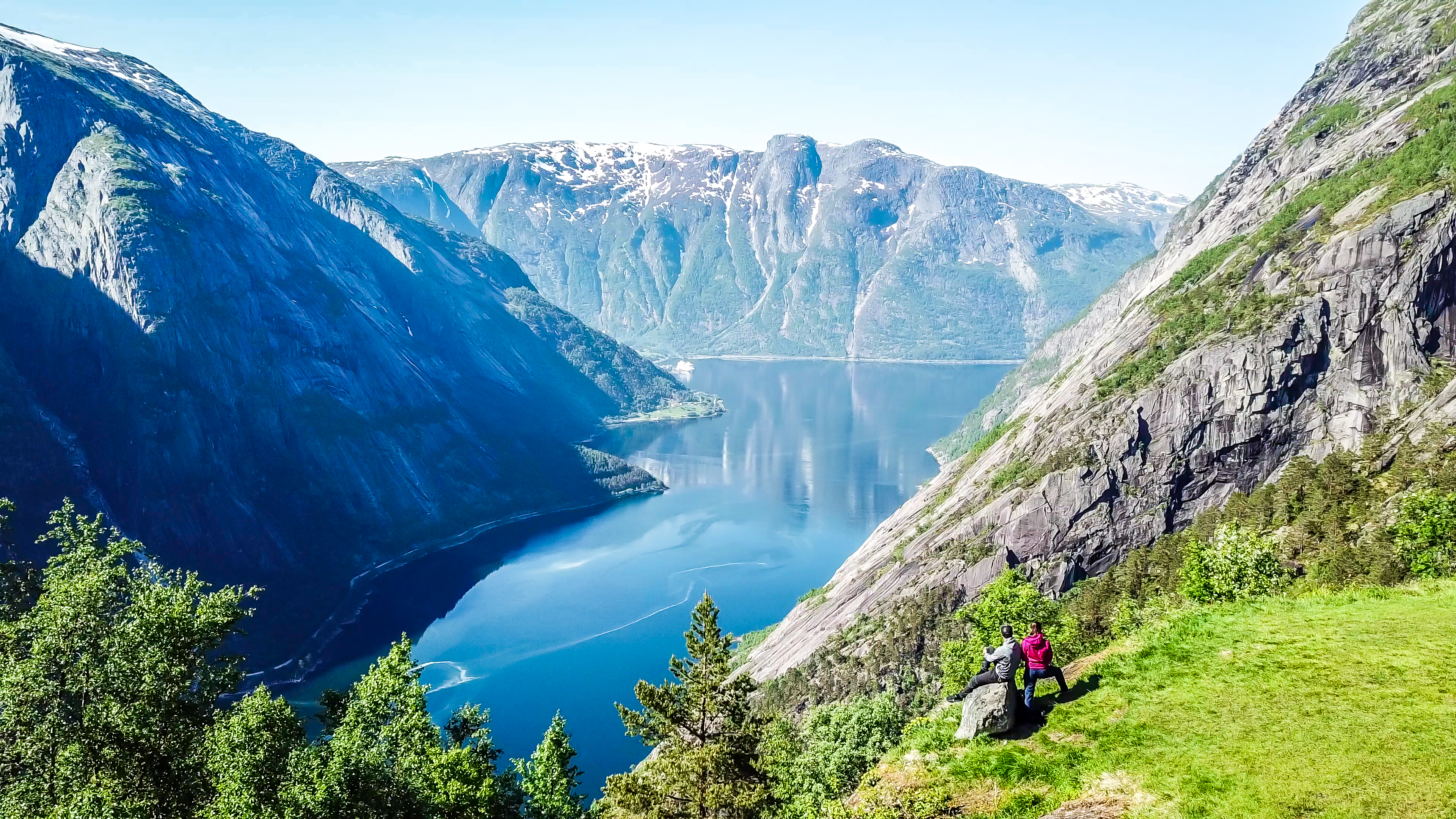
Stretching more than 200 kilometres inland from the coast, the Sognefjord reaches deep into the mountains below the Jotunheimen range, passing steep fjord walls, small islands and traditional farms perched high above the water.
What you’ll experience
This itinerary combines scenic fjord and rail travel, including:
How the journey works
One well-known way to travel along this fjord corridor is Sognefjord in a Nutshell™ by Fjord Tours, a self-guided transport journey combining rail travel and an express boat voyage along Norway's longest fjord. As part of Highlights of Sognefjord, this Sognefjord in a Nutshell™ by Fjord Tours transport segment is included on selected days, forming part of the overall route.
By focusing on one fjord rather than covering large distances, Highlights of Sognefjord is ideal for travellers who want to spend more time immersed in fjord scenery at a relaxed and rewarding pace.


As a Certified B Corporation, 50 Degrees North has designed this itinerary using handpicked local hoteliers and suppliers who share our ethos of delivering services and activities of high social and environmental standards.
Through our Climate Action Plan, we measure our carbon emissions each year and set goals to reduce them. But our responsibility does not end when the journey does. A share of our annual profits goes to our Impact Fund, supporting conservation, restoration and the communities we work in.
Train, ferry and boat.
Arrive in Oslo and transfer into the city via the airport train. Oslo is a nature centric city, with greenery and wooded areas never far away. Besides enjoying these spaces, it is recommended to take the ferry down to the island Bygdøy to see the many museums there and stroll through Vigelandsparken, the largest single artist sculpture garden in the world.
Discover the new area of Bjorvika with the new Opera House and Munch Museum and then explore the charming shopping streets, cosy cafés and exciting eateries of Grünerløkka. After going shopping at numerous design boutiques, vintage shops and flea markets, head to the Mathallen food hall for local specialties.
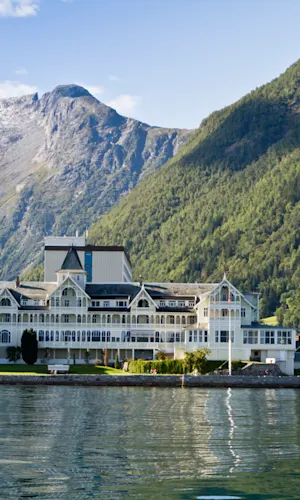
Catch an early morning train from Oslo to Myrdal, and continue by the Flåm Railway to Flåm, and express boat to Balestrand. Check into Kviknes Hotel in a historic room with fjord views.
Explore the village of Balestrand, or just laze around this beautiful historic hotel. Hiking up in the mountains is also possible or you can visit the museums, aquariums and churches of Balestrand.
Dinner is a Scandinavian buffet style in a large room with glorious fjord views from many tables. Be sure to have a wander after dinner to enjoy this incredible historic hotel and its reflections on the water at night.
Take the morning or afternoon express boat out of the Sognefjord and south towards Bergen. With approximately 5 hours on the water, you have plenty of time to soak in the atmosphere and the fresh air. There is a cafe on board with simple options. You can sit out on the deck on the upper floor with room to move. The boat moves pretty quickly and there are several stops along the way.
Precipitous mountains, thunderous waterfalls and small homesteads that cling to the mountain sides are the framework of this boat tour.
Arrive into Bergen and check into your fjord side hotel.
Before departing, head out for some sightseeing in Bergen. A hike or Fløibanen Funicular journey up to the top of Mount Fløyen is a must for first-time visitors to the city. There is great shopping in the old Hanseatic wharf Bryggen, as well as numerous fascinating museums and historic sights.
Independent transfer to airport.
All prices listed are per person, based on two people sharing a room. Prices are indicative.



Dreaming of exploring Scandinavian fairy-tale landscapes of blue fjords, fields covered in wildflowers, majestic mountains and steep waterfalls?


Enjoy Norway’s most popular fjord views – before you travel!


"It is one thing to sell our popular Norwegian itineraries to our clients, and something entirely different to try a best-selling tour for yourself. Especially when it involves 3 kids, a husband and myself, a self-proclaimed last-minute planner." Read Ivy's 'boots and all' account of her family adventure to Norway.
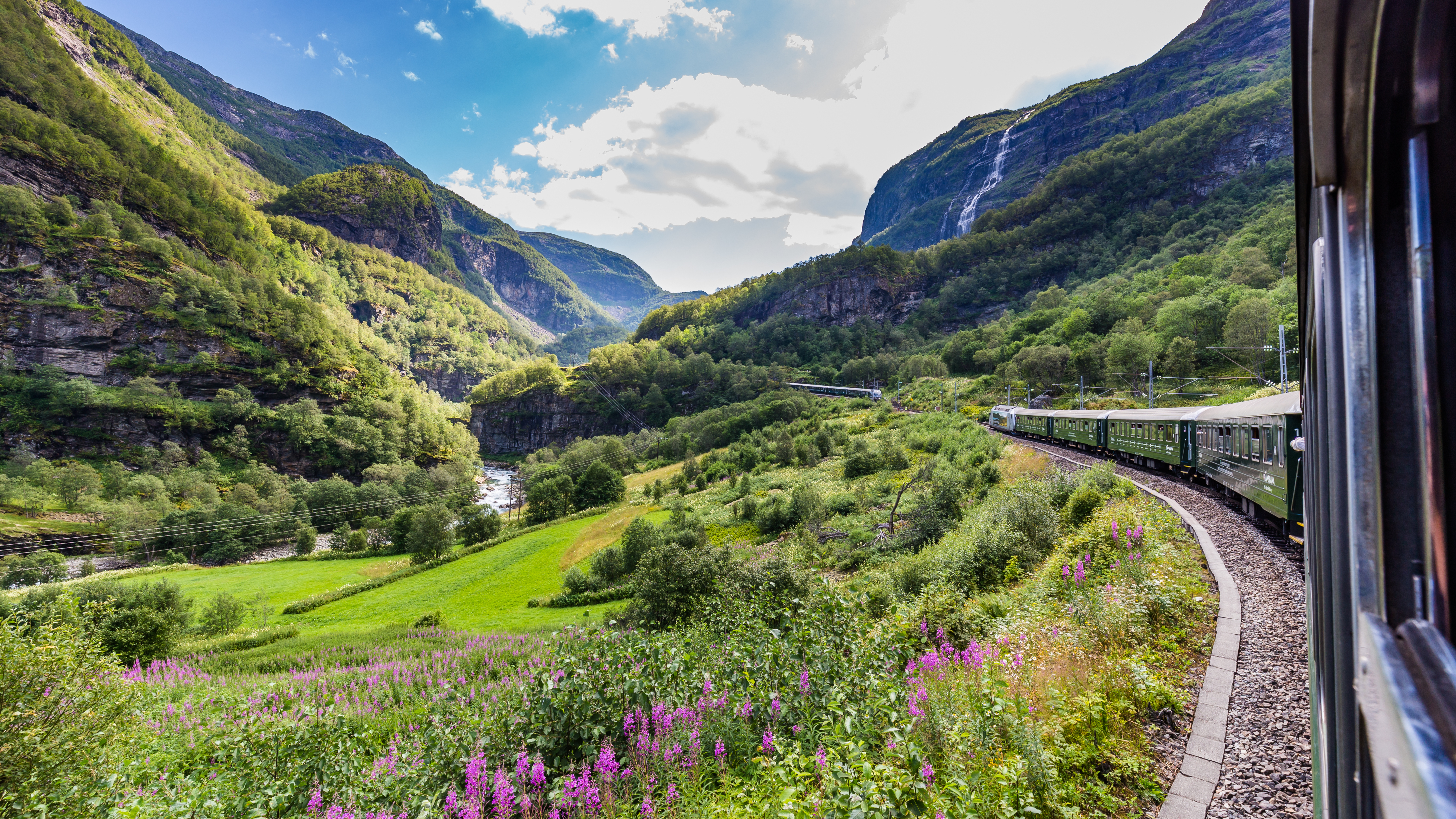
The Flåm Railway is one of the most spectacular rail journeys in the world, winding between the mountain station at Myrdal (867 metres above sea level) and the fjordside village of Flåm, in the inner reaches of the Aurlandsfjord, a branch of the famous Sognefjord. Construction of the line started in 1924, and it opened in 1940.
It was built to connect the villages on the Sognefjord to the Bergen Railway between Oslo and Bergen. The line follows the Flåm valley and passes through twenty tunnels, eighteen of them dug by hand, and across a single bridge. A gradient of 5.5% makes it the steepest standard-gauge railway line in Europe.
The scenery, with steep mountainsides and tumbling waterfalls, has made it one of the most visited attractions in Norway. The train runs all year, so visitors can experience the fjord landscape in every season, though many of the facilities in Flåm village close over the darkest months of December and January.

The journey on the railway itself covers 20 kilometres and takes around an hour each way. The train travels slowly by design, giving you time to take in the scenery, and it makes a photo stop at the Kjosfossen waterfall. There are stops along the way for facilities, a conductor on hand for questions, and announcements and signage pointing out what is coming up.

The Flåm Railway is a core component of Norway in a Nutshell® by Fjord Tours, the self-guided route that combines the Flåm Railway, the Bergen Railway, a Nærøyfjord cruise and a bus through the Nærøy valley. It can be travelled one way from Oslo to Bergen or the reverse, or as a round trip from Bergen, Voss or Oslo. If you are weighing up the options, our guide to choosing the right itinerary walks through them.
If you would rather spend longer on Norway's longest fjord, our Highlights of Sognefjord journey trades the single-day pace for more time on the water. And for an active take on the region, see our Highlights of Norway with Cycling.
Most people travel through the Flåm valley by rail, but you can also make the journey on foot or by bike along the Rallarvegen, the old railway construction road. You can pick up a bike in Flåm, take it on the train up to Myrdal, and cycle back down. Remember to buy a bike ticket when you book. Cycling the route back down adds a few hours to the day.

The village of Flåm has more to offer than the railway alone. You will find kayaking, RIB boat safaris, local walks and goat's cheese tasting, among other excursions. At 50 Degrees North we have spent time getting to know the area, and we can point you to the best ways to enjoy the railway and its surroundings.

The railway runs all year, and each season offers something different. Late spring brings the fullest waterfalls as the snowmelt peaks. Summer is greenest and busiest. Autumn quietens down as the valley colours turn. Winter frames the journey in snow and ice, with far fewer people, though daylight is short and some village facilities close in December and January. If avoiding crowds matters to you, the shoulder seasons and winter are the calmest times to travel.

A well-planned trip makes all the difference if you want to avoid the busiest periods, as Flåm receives thousands of visitors over the peak summer months of June, July and August. Some of the world's largest cruise ships dock here, and at those times the village can feel far busier than the quiet fjord settlement it is out of season.
Contact us at 50 Degrees North to shape a trip that sidesteps the crowds. We know small, tucked-away lodges near Flåm that make a quieter base.

How long does the Flåm Railway take? The journey is around an hour each way, covering 20 kilometres between Myrdal and Flåm. A round trip, allowing for the return, takes roughly two hours plus any time you spend in Flåm.
Can you do the Flåm Railway as a day trip from Bergen? Yes. From Bergen you take the Bergen Railway to Myrdal, which takes about two hours, then change onto the Flåm Railway for the hour-long descent to Flåm. It is a popular day trip, though a long one if done as a return in a single day. Building in an overnight stay in Flåm or along the fjord makes for a more relaxed experience, and it is one of the things we can arrange for you.
Do you need to book the Flåm Railway in advance? In peak summer, yes. The railway can sell out in June, July and August, particularly on days when cruise ships are in port, so booking ahead is strongly advised. Outside the high season it is far more relaxed. When the railway forms part of a wider itinerary we arrange, we handle the booking for you.
How much does the Flåm Railway cost? Fares vary by season, ticket type and how far ahead you book. Rather than quote a figure that dates quickly, we would rather give you a current price for your travel dates, so do get in touch, or ask about including the railway as part of a wider journey.
Is the Flåm Railway worth it? It is consistently ranked among the world's most scenic rail journeys, and the combination of engineering and landscape, an 866-metre descent through twenty tunnels, with waterfalls and mountain farms along the way, is what draws over a million passengers a year. For most visitors to the Norwegian fjords, it is a highlight.
Does the Flåm Railway run in winter? Yes, the train runs all year. Winter brings snow-covered scenery and far fewer crowds, though daylight is limited and some facilities in Flåm village close over December and January. Winter schedules can differ from summer, so it is worth confirming times when you plan.
Which side of the train has the best views? The scenery opens up on both sides as the line winds through the valley, and the train stops at the Kjosfossen waterfall so everyone can see it. There is no single "best" side, though staff and announcements point out the highlights as they come up.
Norway in a Nutshell® by Fjord Tours is a well-known self-guided transport route designed to showcase some of western Norway’s most dramatic rail and fjord scenery in a single journey. Originally created as a full-day route between Oslo and Bergen, it combines scenic train travel, a fjord cruise and a connecting bus journey.
At 50 Degrees North, this classic routing is used as a transport segment within several of our longer, multi-day itineraries. These journeys sit within our Highlights of Norway collection, allowing travellers to experience the same iconic landscapes with more time, overnight stays and a more relaxed pace.

Norway in a Nutshell® by Fjord Tours is not a guided tour. It is a self-guided transport route that links several scheduled public transport services into one continuous journey.
The classic routing includes:
Travellers move independently between trains, boats and buses, following timetables and announcements. Connections are straightforward and clearly signposted, but the journey is completed without a guide.
The Norway in a Nutshell® route gained international recognition because it brings together several of Norway’s most scenic transport experiences in a compact format. In a single journey, travellers cross high mountain plateaus, descend steep valleys by rail, cruise through narrow fjords and pass through small villages that are otherwise difficult to reach.
While visually impressive, completing the entire route in one long day can feel busy, particularly during peak travel months. For this reason, many travellers now choose to experience the same landscapes over several days instead.
The Flåm Railway is one of the steepest standard-gauge railways in the world, ascending and descending more than 860 metres over just 20 kilometres. The journey passes cascading waterfalls, rivers, mountain farms and deep valleys, and travels through a series of hand-built tunnels carved into the mountainside. It is widely regarded as one of the most scenic railway journeys in Europe.
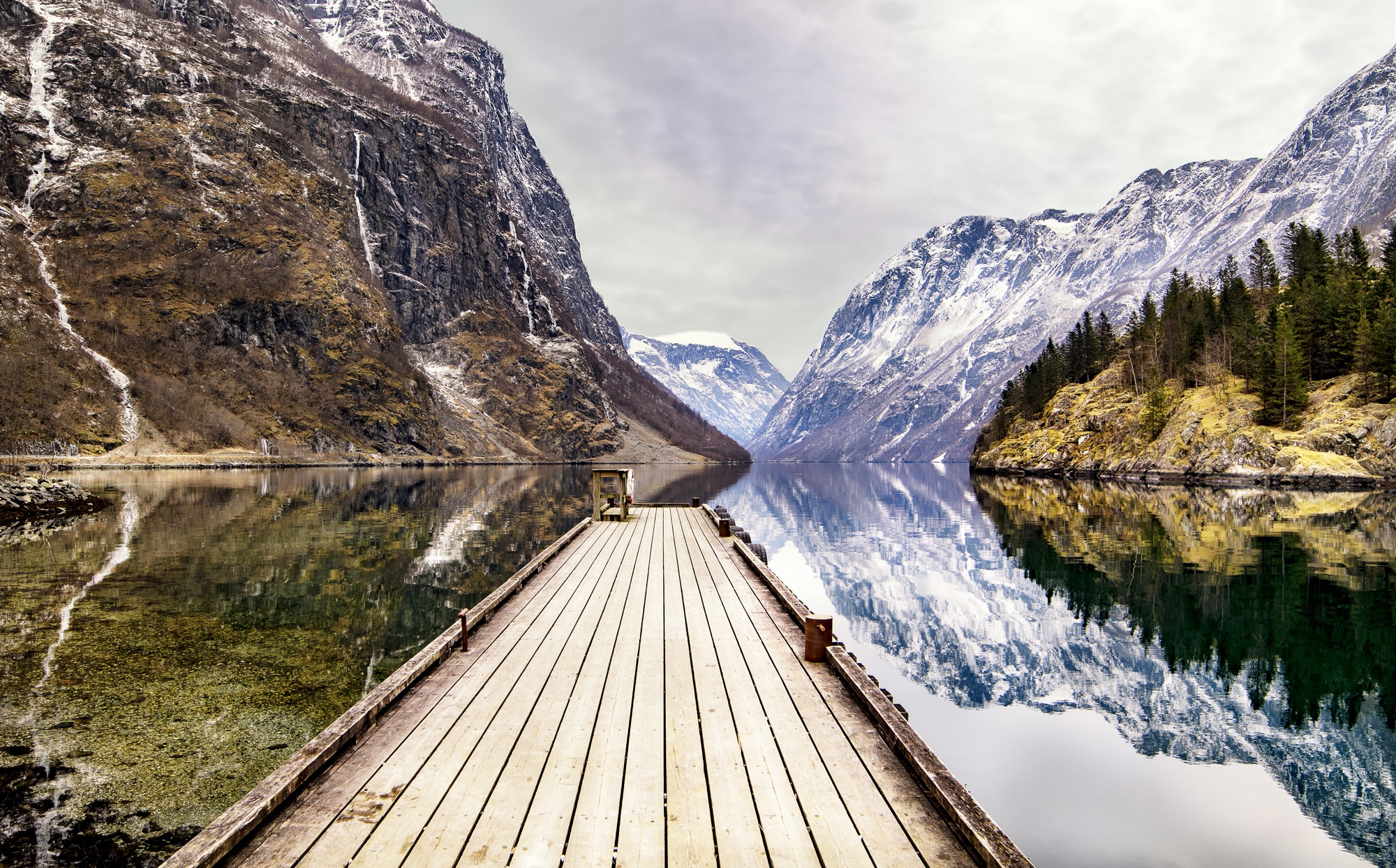
The Fjord Cruise typically lasts around two hours and travels through the narrow Nærøyfjord, a UNESCO World Heritage site, before continuing along the broader Aurlandsfjord. Steep cliffs rise directly from the water, and the boat makes brief stops at small fjord villages where locals and travellers embark and disembark.
The Bus section connects the fjord cruise with the railway network, travelling through dramatic valley landscapes. Commentary is usually provided, and drivers assist with smooth transfers between connections.
Please note that vehicles no longer drive the Stalheimskleiva road due to safety concerns. This historic road, built in the mid-1800s with tight hairpin bends, can still be viewed from above as you pass through the valley.
Across the Highlights of Norway range, the Norway in a Nutshell® by Fjord Tours transport route is included on selected days as part of a longer itinerary.
Rather than completing the journey in one day, 50 Degrees North builds on this routing by adding:
This approach allows travellers to experience the same iconic scenery with greater depth, flexibility and comfort.
You can explore our wider collection of journeys in our Norway Fjord Tours.
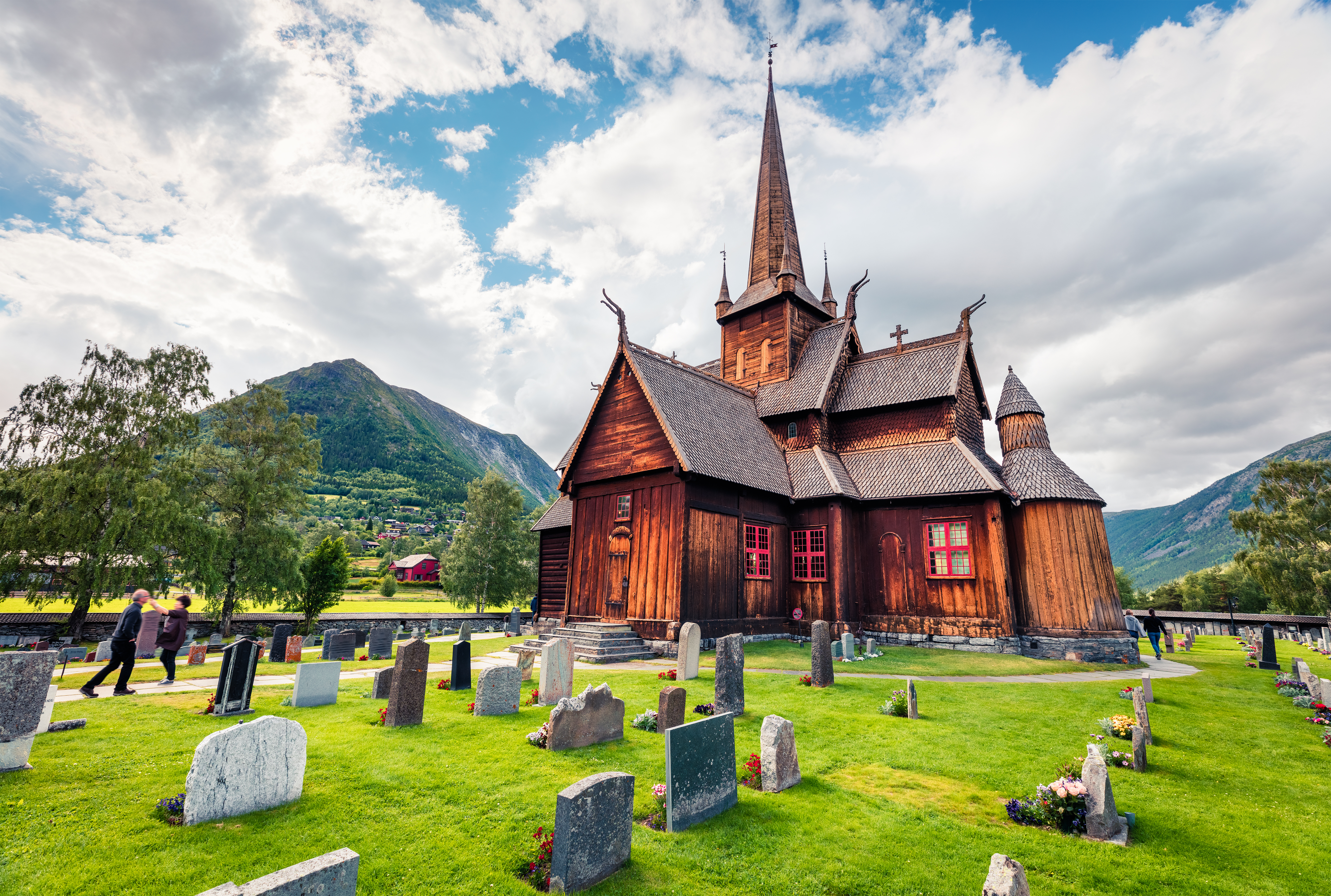
The Norway in a Nutshell® by Fjord Tours transport segment is incorporated into several Highlights of Norway itineraries, including:
Each itinerary uses the classic route differently, depending on season, pacing and travel style.
Beyond the Highlights of Norway collection, elements of the Norway in a Nutshell® by Fjord Tours transport route also feature within several of our longer and more in-depth Norway journeys.
These itineraries use the same iconic rail and fjord corridor as part of a broader experience, often combined with guided touring, coastal voyages or extended time in the mountains and Arctic regions. Examples include:
In these journeys, the famous rail and fjord sections are one part of a much larger itinerary, allowing travellers to experience Norway’s landscapes across multiple regions, seasons and travel styles.
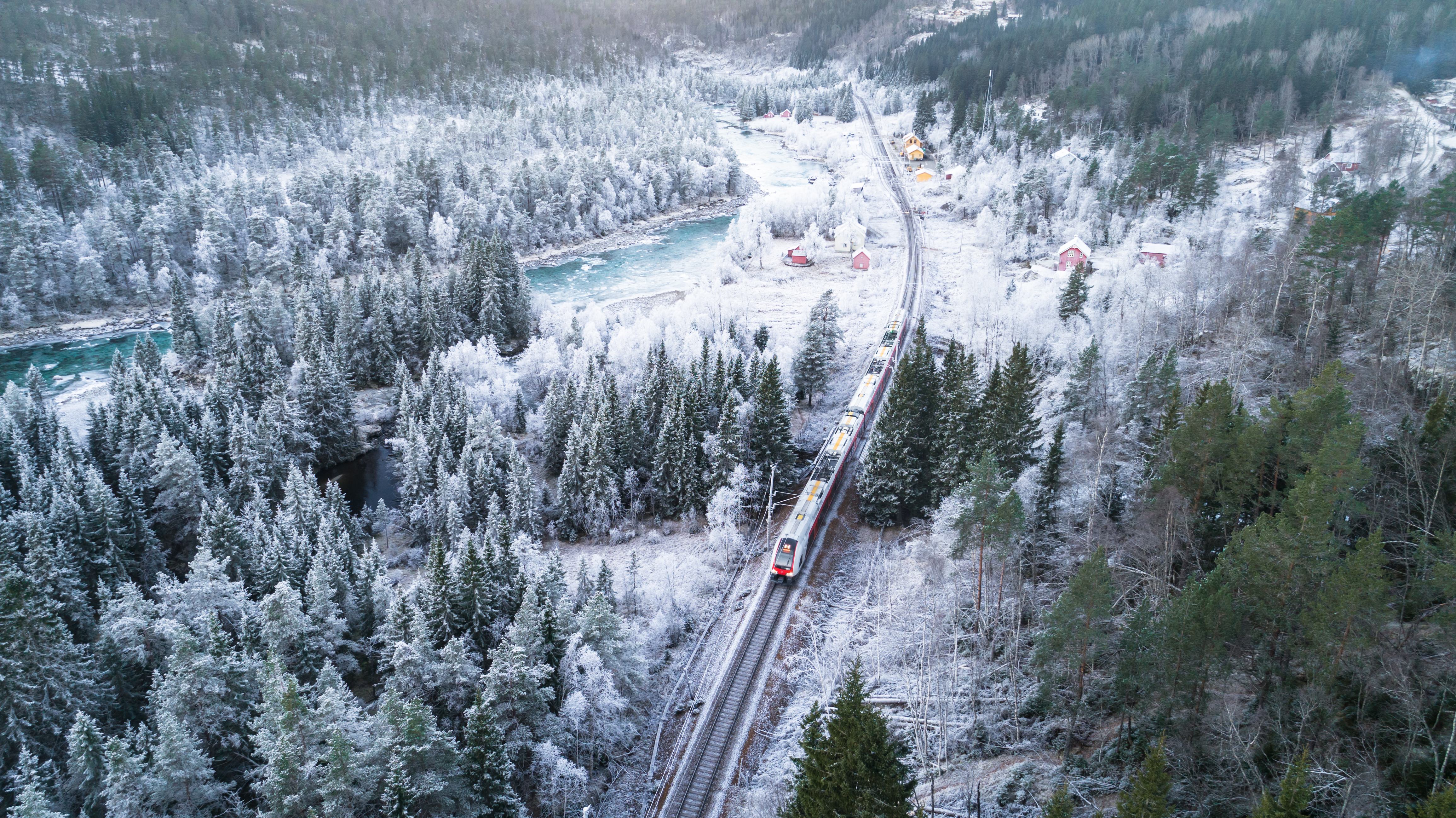
Luggage handling: Porter services can be arranged on selected itineraries for travellers who prefer not to carry luggage between transport connections.
Crowds: This route can be busy in peak summer months. Multi-day itineraries allow for quieter travel times and alternative overnight locations.
Travel direction: Journeys can start in either Oslo or Bergen, depending on the itinerary chosen.
Seasonality: Winter versions adjust routing and timing to suit daylight hours and conditions.
There is no guide on the transport route itself. You travel independently, with clear announcements and short walking distances between connections.
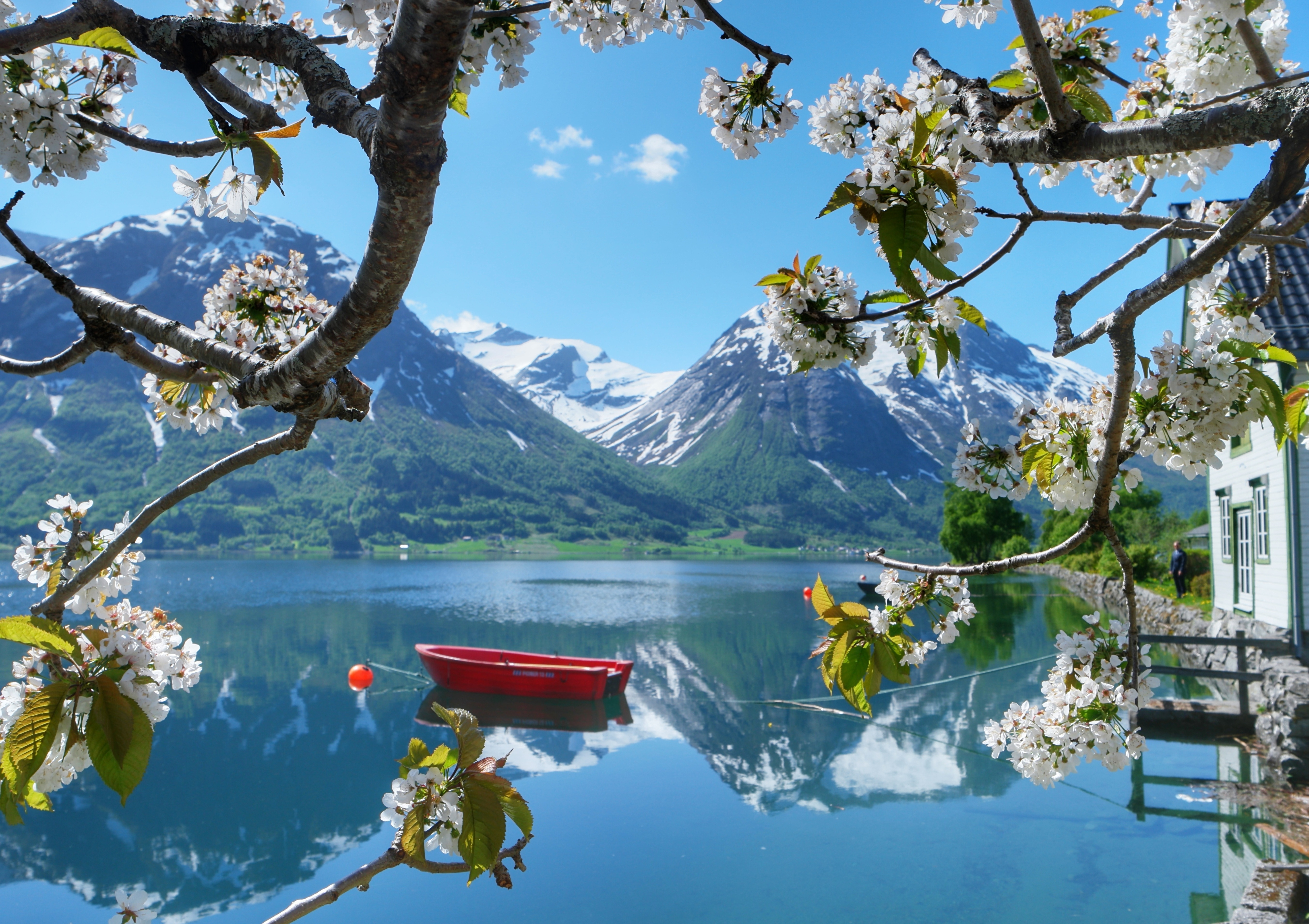
If you are short on time and want a single-day overview of Norway’s fjords and railways, the Norway in a Nutshell® by Fjord Tours transport route may suit your needs.
If you prefer a slower pace, overnight stays and a more immersive experience, a Highlights of Norway journey offers a more relaxed way to experience the same landscapes.
To compare the different options, you may find it helpful to read Which Highlights of Norway Trip Suits You?
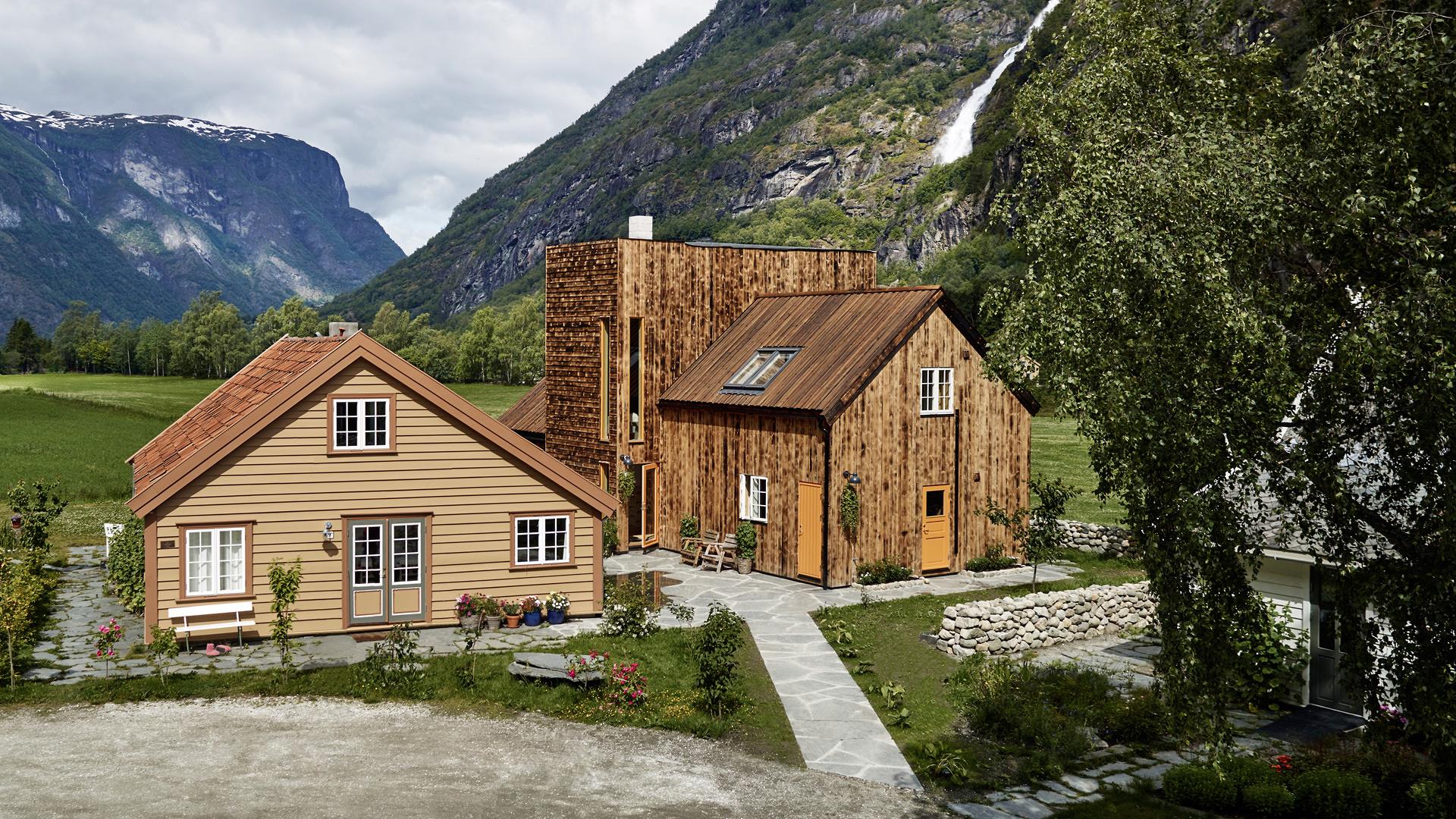
Image credits: Gjertrud Coutinho, © Terje Rakke / Nordic Life AS / www.fjordnorway.com and Paul Edmundson. Hilda Weges Photography and Shutterstock.
Beds and room types. Hotel rooms across Scandinavia are typically furnished with twin beds that can be pushed together to form a double. Single rooms tend to be smaller than doubles and usually have a shower rather than a bath. Purpose-built triple or family rooms are uncommon. If three people are sharing, expect a standard double room with an extra bed added, which means noticeably less space than a purpose-built triple would offer.
Luggage. Porters are rare at Scandinavian hotels. You will generally carry your own bags, so pack with this in mind, particularly on itineraries with frequent hotel changes.
Wi-fi. Free wi-fi is standard across the vast majority of Scandinavian hotels at all price points.
Tea and coffee. Unlike hotels in many other parts of the world, Scandinavian accommodation at the 3-star level rarely provides in-room tea and coffee facilities. There may be a kettle, but often nothing to go with it. Many hotels do offer complimentary tea and coffee in the reception area or lobby, so it is worth asking on arrival. If this matters to you, it is worth checking with us beforehand or bringing a small supply of your own.
Lunch in winter. On itineraries that include lunch during the winter months, expect a warm soup with bread rather than a full cooked meal. This is entirely typical across the region and often very good.
Remote hotels in Lapland. At more remote properties in the far north, the hotel or lodge where you are staying will be your only realistic dining option for dinner. This is entirely normal and nothing to be concerned about. Menus are typically limited to one or two main course choices, but the food is generally home-cooked and reflects the local landscape and ingredients well.
Laundry. Self-service washing machines and dryers are typically located in the basement. If you are staying in apartment-style accommodation and cannot find them, ask at reception.
When planning your trip, choose transportation that minimises your carbon footprint. Trains, buses, electric vehicles, and bicycles are excellent alternatives to flying or driving private cars. If you need to travel longer distances, trains are often a more sustainable option compared to flights, especially in regions where rail networks are efficient and eco-friendly. If flying is unavoidable, choose airlines that prioritise fuel efficiency and environmentally conscious practices. You can also read our guide How to Book a Lower Carbon Flight
Please also note that 50 Degrees North offsets all tour emissions, ensuring that the environmental impact of your travel experience is minimised as much as possible.

Visiting destinations in off-peak seasons like autumn or spring can significantly reduce the negative effects of overtourism. This helps relieve pressure on local ecosystems, resources, and infrastructure, making travel more sustainable. In addition, travelling outside of peak seasons provides a more relaxed experience with fewer crowds, allowing you to immerse yourself in the destination in a way that feels more authentic and less commercialised.
In the Nordic region, travelling during the off-seasons is particularly rewarding. Autumn brings vibrant colours to the landscapes, with fewer tourists, allowing for a peaceful and reflective experience in places like Iceland, Norway, and Finland (and you may also get to see the Northern Lights above the Arctic Circle without the extreme cold!). Spring, too, offers the chance to witness the awakening of nature, from the Northern Lights in Finland to the blossoming flowers in Norway’s fjords. By choosing to visit during these quieter months, you not only reduce the strain on local resources but also enjoy a more serene and intimate connection with the region’s stunning natural beauty.

Opt for accommodations and travel companies that are committed to sustainability. Whether it’s a hotel with green certifications, a guesthouse using renewable energy, or a tour operator with an eco-conscious approach, these businesses are making a positive impact on the environment. Many eco-friendly accommodations focus on reducing waste, conserving water, and supporting local communities. For example, look for hotels and lodges that use energy-efficient technologies, implement sustainable waste management systems, and support fair trade practices - or choose a travel company like 50 Degrees North who has done this research for you.
In addition to choosing green accommodations, consider booking with travel companies that prioritise sustainability. Many tour operators are increasingly offering eco-friendly tours, such as those that promote cultural heritage, wildlife conservation, or local community engagement. These companies often collaborate with destinations to ensure that tourism benefits the local economy without damaging natural resources. For inspiration, explore our article on Ecotourism in the Nordic Region, which highlights accommodations dedicated to providing experience-rich, sustainable travel. Whether you're booking a guided tour or a self-guided journey, selecting a responsible company can significantly reduce the environmental impact of your trip.

One of the best ways to make a positive impact while travelling is by supporting locally-owned businesses. Choose small, family-run accommodations, dine at local restaurants, and engage in activities offered by local guides. This ensures that more of your money stays within the community, directly benefiting the people who live there. Supporting local businesses also promotes sustainable practices, helping to protect local resources. For ideas on how to make your travels more impactful, explore our signature tours or read about 6 ways to support local communities responsibly.

If you are planning to experience wildlife during your travels, ensure the activities you choose are ethical and conservation-focused. Look for tours that contribute to habitat protection, biodiversity conservation, and wildlife welfare. Avoid activities that exploit animals or encourage harmful interactions. By supporting responsible wildlife experiences, you help protect wildlife and ensure that tourism does not contribute to their harm.
For example, when it comes to reindeer-related activities, we ensure that the experiences we offer align with ethical practices. Reindeer sled rides are designed to be a respectful and enjoyable way to connect with Sámi and Lappish cultures, where the animals are not overworked, and their welfare is always prioritised. The reindeer are part of a traditional, sustainable way of life for the Sámi people, and we work with operators who treat them with the utmost care.
Additionally, many craft activities involving reindeer materials are ethically sourced. Reindeer antlers, used in workshops to create unique crafts, are naturally shed each year and collected in a sustainable manner. This practice follows the traditions of the Sámi people, who ensure that every part of the reindeer is used responsibly. By participating in these workshops, you support local artisans and contribute to the preservation of traditional, sustainable practices that have been part of Sámi culture for centuries.
As travellers, you can contribute to animal welfare by following simple guidelines:
Wild Animals: When enjoying experiences with wild animals, ensure you maintain a respectful distance so as not to disturb them or interfere with their natural behaviour. Speak quietly, avoid sudden movements, and never feed, touch, tease, or provoke wild animals. Avoid taking selfies with wild animals. Many National Parks have guidelines on respecting wildlife, so make sure to follow these and the advice of your tour guide.
Working Animals: With working animals (such as reindeer and huskies), be respectful by avoiding sudden movements or loud noises that could cause distress. Reindeers do not generally like to be touched (especially not the head or antlers) and huskies have their own personalities, meaning that some like to be petted, some do not. Please always follow the guidance of your tour guide. Observe how the animals are treated — do they seem happy and are they in good condition?
At 50 Degrees North, we have developed an Animal Welfare policy (please see the Animal Welfare section in our Sustainability Policy) to ensure we uphold the highest standards of welfare on our trips. Our Tour Guides are well-versed in this policy and our Supplier Code of Conduct, and they are passionate about maintaining these standards. However, if you have any concerns regarding the welfare of animals during one of our tours, we ask that you report them to us at sustainability@fiftydegreesnorth.com.

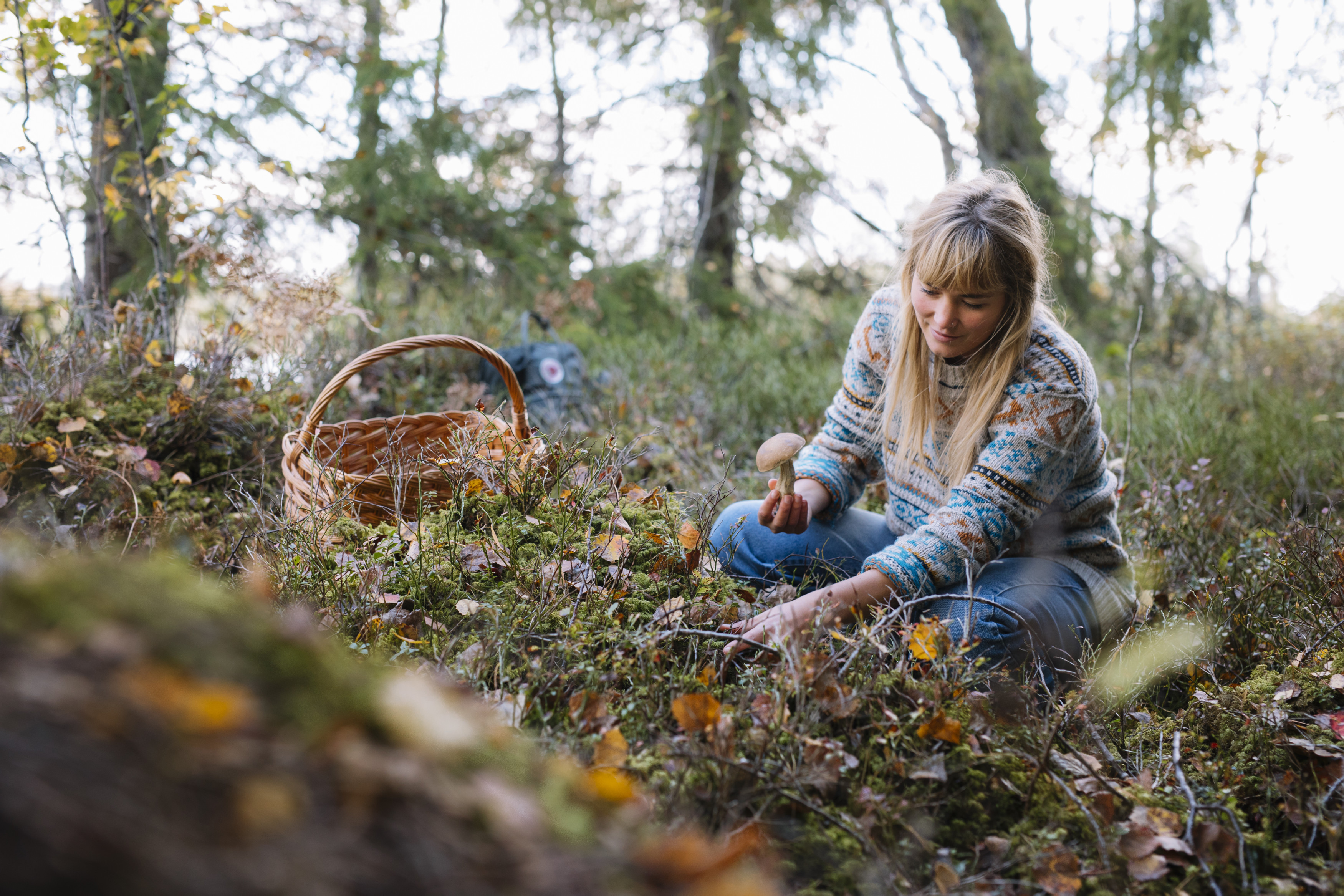
Always be mindful of the natural environment. Stick to designated paths in nature reserves and national parks to avoid disturbing local flora and fauna. When hiking, be respectful of the land and avoid leaving any trace of your presence behind. Never pick plants, disturb wildlife, or leave litter. All Nordic countries offer stunning natural landscapes where you can enjoy outdoor activities while respecting the environment.
In these regions, the Everyman’s Right (Allemansrätten) gives everyone the freedom to roam the countryside, as long as it is done sustainably and respectfully. However, it is important to only take what you need and avoid damaging the plants or disturbing wildlife. This right fosters a deep connection between locals and nature, and visitors are encouraged to follow these principles to ensure the preservation of these beautiful, wild spaces for future generations. By respecting these natural spaces, you help protect the ecosystems that make the Nordic region so unique.
The Arctic Environment is home to many unique and vulnerable species and habitats. Help us protect the Arctic from the impact of alien species by, where possible, brushing, hoovering and cleaning clothes and any equipment prior to departure, paying particular attention to outerwear and footwear. This is in accordance with the request of the Norwegian Institute for Nature Research.
Before travelling, take the time to understand the customs, traditions, and values of the places you will visit. Show respect for local norms and practices, and be mindful of cultural sensitivities. Learning about the history and heritage of a place fosters positive interactions with locals, enhances your travel experience, and reduces your environmental and social impact. Always approach cultural differences with an open mind and appreciation.
For example, the Sámi people have a deep connection with the land and reindeer, which have been central to their culture for thousands of years. Understanding their traditions, such as reindeer herding, and their history of living in harmony with nature, will enrich your travel experience and foster respect for their way of life.

Waste minimisation is a key part of responsible travel. In many destinations, especially those like the Nordics where tap water is safe to drink, carrying a refillable bottle can significantly reduce plastic waste. Avoid using single-use plastics and look for opportunities to recycle. Most places in the Nordic region are well equipped with clearly marked recycling bins, making it easy for travellers to dispose of their waste responsibly. Countries like Sweden, Finland, and Norway are renowned for their commitment to sustainability, with advanced recycling systems in place to reduce waste sent to landfills. By adopting these practices, you can contribute to the region's efforts to promote a circular economy and reduce environmental harm.
In addition, many Nordic cities have strict environmental laws and encourage sustainable living. For instance, in Sweden and Finland, citizens are encouraged to recycle everything from paper to electronics, and there is a high emphasis on reducing waste. When visiting, be mindful of these practices and make sure to recycle properly to support the local commitment to waste management and sustainability.
While travelling in the Nordic region, being mindful of your energy and water consumption is especially important. These countries place a strong emphasis on sustainability, and many accommodations are designed to help reduce energy and water waste. From energy-efficient buildings in Norway to water-saving systems in Finnish hotels, you’ll find that eco-friendly accommodations are not only reducing their environmental footprint but also encouraging guests to do the same. In many Nordic regions, water is of high quality and readily available, so using a refillable bottle and avoiding bottled water is both a sustainable and practical choice.
Nordic countries also lead the way in using renewable energy sources like hydroelectric power, wind, and solar energy. While travelling, make an effort to reduce your own energy consumption by turning off lights, heating, and cooling systems when not in use, and by taking shorter showers. This small consideration helps reduce the demand on local resources and aligns with the region’s sustainability efforts. By being mindful of your energy and water use, you contribute to the Nordic countries’ collective commitment to environmental stewardship and sustainability.

Travel can contribute to carbon emissions, but you can offset your impact by supporting projects that capture or reduce carbon. Options include investing in reforestation projects, renewable energy initiatives, or sustainable agriculture programs. There are several services available that calculate the carbon emissions generated by your travel and help you invest in offset programs. If you are going to travel, offsetting is a key way to ensure your travels do not contribute to long-term environmental harm. (Please note that 50 Degrees North offsets all tour emissions, however, any intercontinental flights are not included in our tours.)
You can also read our guide How to Book a Lower Carbon Flight
Knowledge is one of the most powerful tools you have when it comes to responsible travel. Stay informed about the environmental and social impacts of your choices. Read articles on sustainable travel, like National Geographic's guide on how to travel better, and explore resources that help you make more eco-conscious decisions. The more you learn about the impact of your travels, the easier it becomes to make responsible choices that align with your values and support a healthier planet.
If at all interested, look for opportunities to participate in sustainable tourism initiatives such as beach clean-ups, community workshops, or eco-conscious cultural experiences. These activities not only offer a deeper connection to the destination but also contribute to its long-term environmental protection.

By following these responsible travel tips, you help reduce your ecological impact and contribute to preserving the world’s natural and cultural heritage for generations to come. Remember that small actions, when added together, can have a powerful effect in supporting more sustainable and ethical tourism practices.
For further information on 50 Degrees North's sustainable travel initiatives, please see our Sustainable Tourism page.
Travel insurance is compulsory for all tours with 50 Degrees North. The safety of our travellers, staff and operators is a major priority of 50 Degrees North. With an operational office in Norway, 50 Degrees North has access to an up-to-the-minute flow of information regarding the countries we work in. We are also in regular contact with the various operators we use. Their in-depth knowledge and understanding of their various areas is vital.