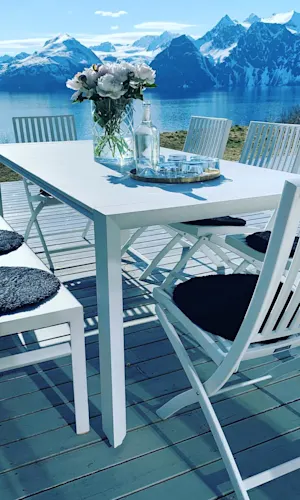
Autumn
The quietest season, and one of the best.
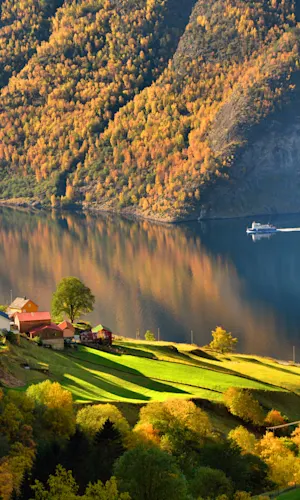
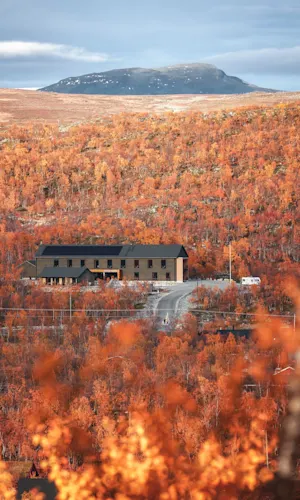
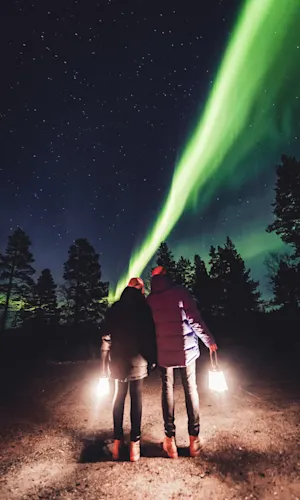
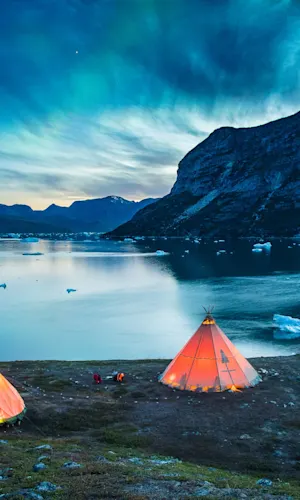
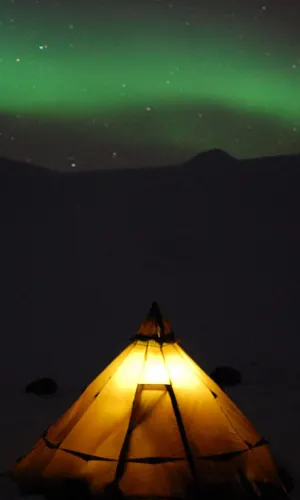
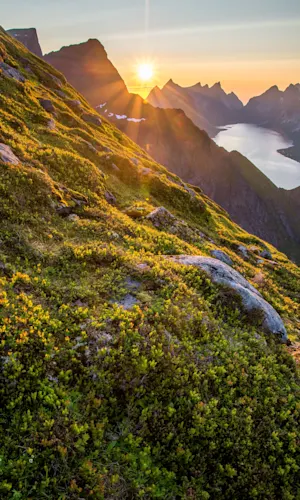
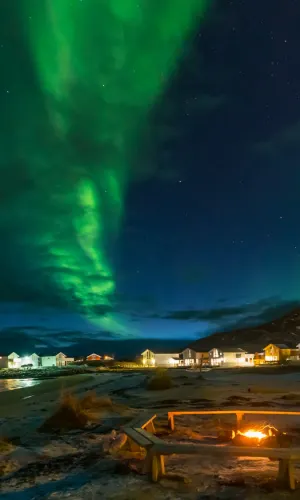
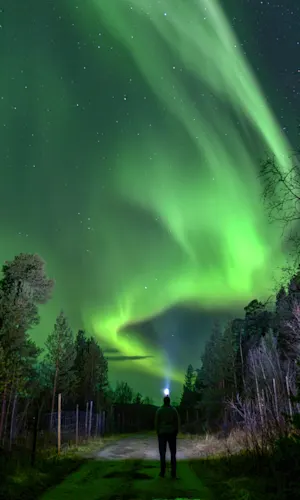
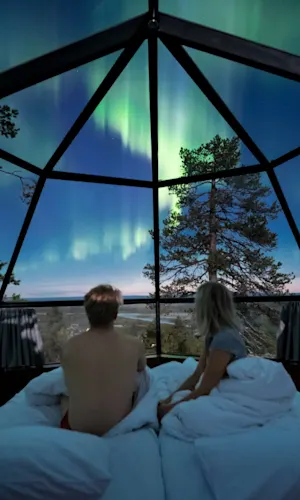
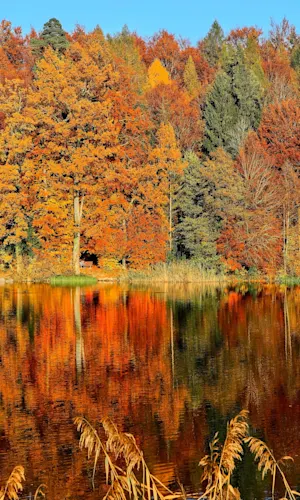
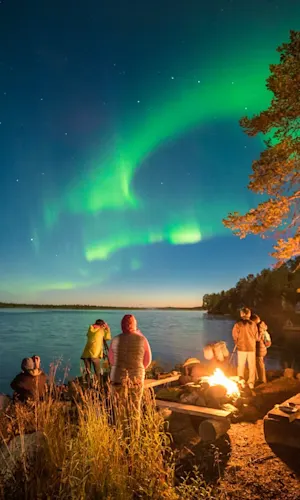
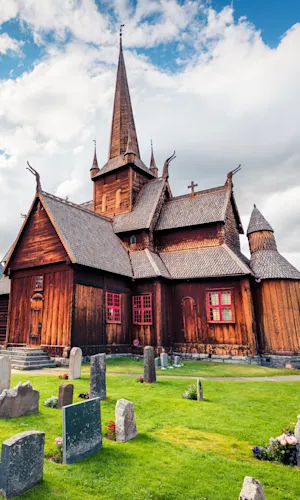
Autumn (September-November) arrives gradually in the Nordic region, and it transforms it. September brings the first amber to the birch forests. October deepens that into copper and gold. The summer crowds have gone, the roads are quieter, and from mid-September onwards the Northern Lights begin to appear in the darkening sky.
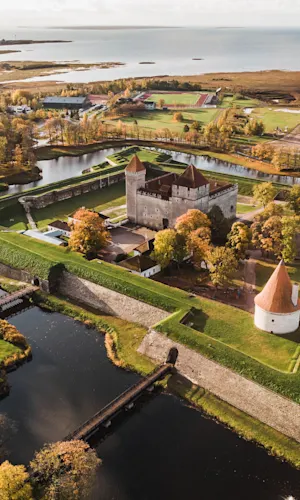
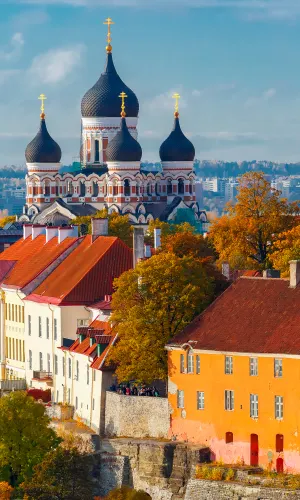
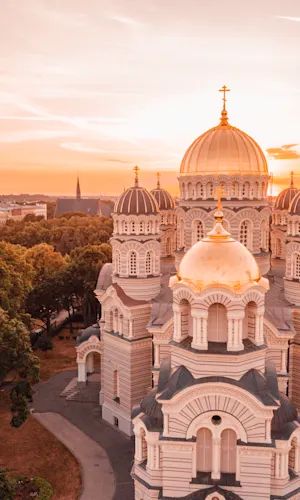
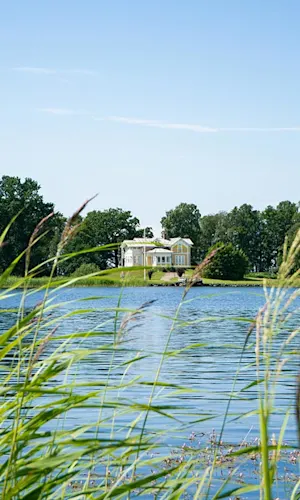
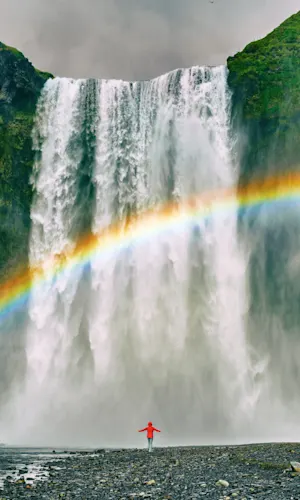
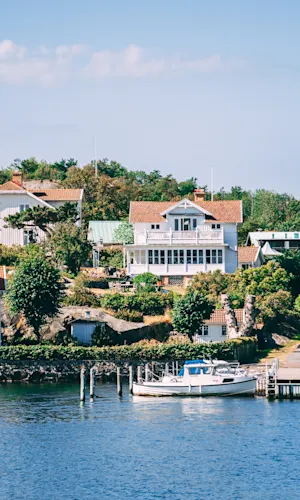
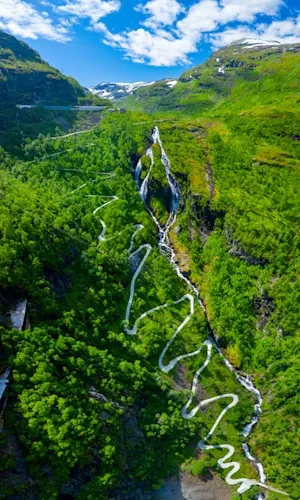
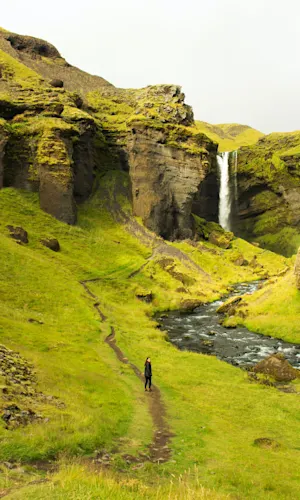
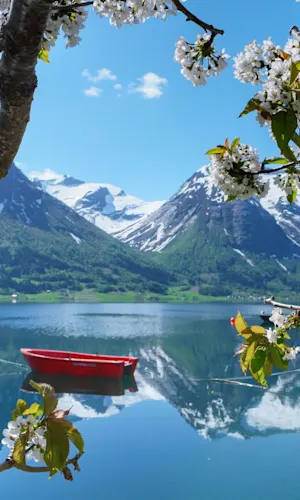
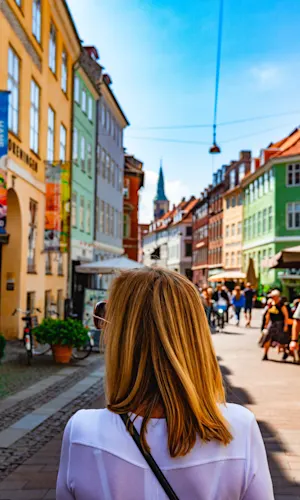
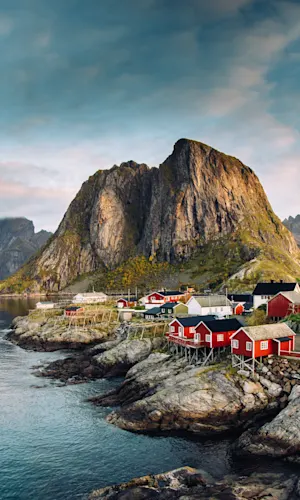
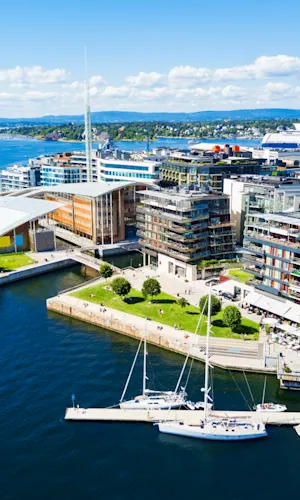
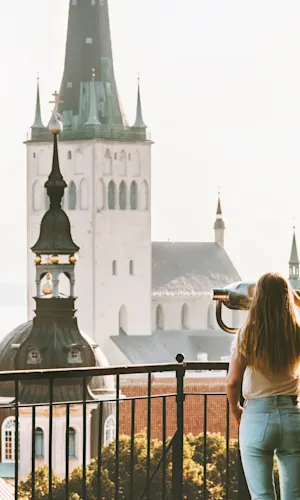
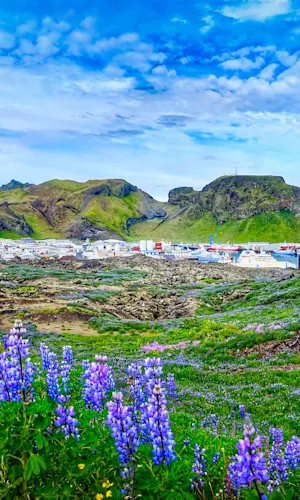
Across Norway, Finland and Sweden, the fjords and forests take on their most dramatic character. Cities such as Stockholm, Helsinki and Copenhagen settle into a more local, unhurried rhythm. In Iceland and the North Atlantic, autumn offers a quieter window into landscapes that are always raw but feel more intimate at this time of year. The Baltic States, with their medieval old towns and quiet countryside, carry a particular atmosphere in the off-peak season that is worth seeking out in its own right.
Why autumn makes sense
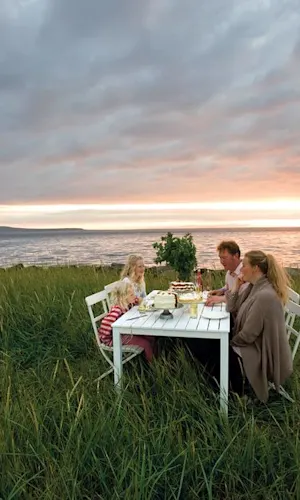
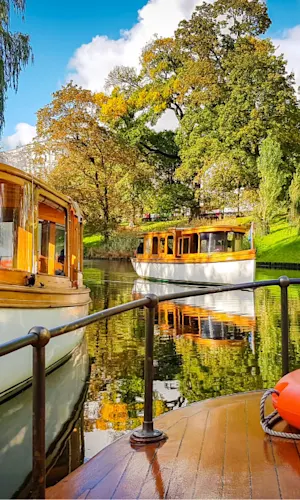
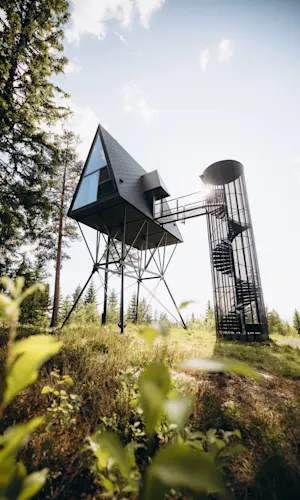
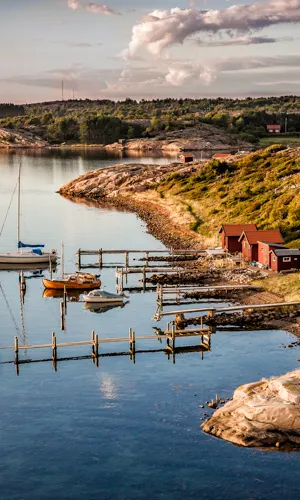
The practical case for autumn travel is also strong. Fewer visitors means greater availability at the places worth staying, the remote lodges, the coastal properties, the smaller hotels that book out quickly in summer. The temperatures are cool but manageable, the light is low and extraordinary for much of the day, and the combination of foliage, still water and open sky makes for some of the most visually striking conditions of the year.
How we travel in autumn
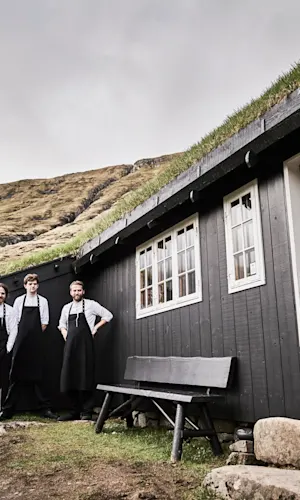
Our autumn journeys are designed with the same attention to pace and local knowledge that defines everything we do at 50 Degrees North. Whether travelling independently or on a small group tour, each itinerary follows the logic of the season rather than a template, and is shaped by people who know this part of the world intimately.