




Sustainable Eating at the Edge of the World
Ethical eating, sustainable farming and local produce bursting with flavour, our new tour discovers the very best of Norwegian cuisine in the Lofoten Archipelago, Norway.
10 days - Classic independent tour plus food tours and special touches.
Indulge in an independent tour of the charming Nordic capitals; Stockholm, Copenhagen, Oslo & Bergen with a focus on foodie experiences. This is an all-encompassing itinerary offering a variation of traditional culture, breathtaking scenery and modern city life.
Have more time? Add on a 6 day voyage on a Norwegian Coastal cruise of Norway

As a Certified B Corporation, 50 Degrees North has designed this itinerary using handpicked local hoteliers and suppliers who share our ethos of delivering services and activities of high social and environmental standards.
Through our Climate Action Plan, we measure our carbon emissions each year and set goals to reduce them. But our responsibility does not end when the journey does. A share of our annual profits goes to our Impact Fund, supporting conservation, restoration and the communities we work in.
Flight tickets, any airport taxes, travel insurance, visas, gratitudes and any items of personal nature. Drinks including alcoholic beverages, juice, soft drinks and hot beverages are also not included.
If you like to forage, you can also include a seafood foraging cruise and bbq on the beach in Bergen.
The Oslo Summer Fjord cruise is not included as it is seasonal but we do recommend it for a lovely foodie experience to accompany your holiday. You can also join a early morning 'yoga' cruise with breakfast, cruising the Oslo fjord.
Half board can be included with some of your hotels if desired.
Arrive in Stockholm any time and make your own way to our centrally located hotel.
You may want to try some new and unique restaurants located, both located in a museum: Fotografiska (Photography Museum) or the Spritmuseum (The Museum of Alcoholc beverages).
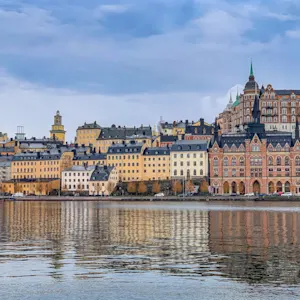
Sweden's Capital is charming, vibrant and surrounded by beauty and water - hence its nickname, Venice of the North. Stockholm offers interesting museums and castles & charming small alleyways.
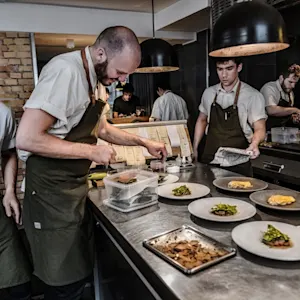
This morning, you will join a 4 hour walking food tour of Stockholm. Try the best of Stockholm, dive into the world of the varied market halls where the locals shop. During this tour you will visit Gamla Stan (Old town) and Östermalms Saluhall to indulge in authentic Swedish gastronomy. Here you can enjoy the taste of the land with cloudberry jam, fruits, meats and fish all with the fresh, crisp flavour that only Scandinavia can produce.
In the afternoon, be sure to make time for a visit to the new ABBA museum with great interactive exhibits - a glass of champagne (for Dutch courage & the pure fun of it) to accompany your tour is recommended! On the other hand, take the serious option & visit the Nobel prize museum in the Old town.
There are many other great guided walks to do in Stockholm - ABBA walking tour, Stieg Larsson’s Millennium trilogy, ghost walks, Viking walks and even a walk that guides you to the best places to take photos.
Hungry? Try the new AIRA by Tommy Myllymäk, Teatern at Ringen with it's refreshing take on a mall food court, except its kiosks are run by Michelin-starred and celebrity chefs. Try gourmet hotdogs by Michelin-starred Magnus Nilsson of Fäviken, exquisite 100% ecological vegan dishes from Maximillian Lundin’s The Plant, truffle ravioli and slow-cooked 63C eggs at CAOS, run by Operakällaren’s chef Stefano Catenacci, and many more..
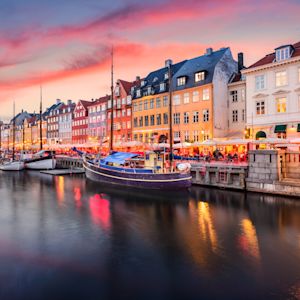
In the morning catch a 6-hour train ride through the Swedish countryside to the Danish capital. Copenhagen has a long history, and many delightful attractions and sights - you will never run out of something to see or to do. The city is small and cosy, an ideal way to explore the city is by foot, and public transport. You will have a Copenhagen Card on hand allowing you to free travel on buses and trains within the city metropolis, as well as free entrance to over 70 museums and attractions.
With two nights in Copenhagen, be sure to plan your dining options for the evenings. We are more than happy to assist with your reservation requests.
Today, enjoy a 4-hour private food tour through Copenhagen, diving deep into the city's culinary scene. Begin at Torvehallerne, the vibrant indoor market, where you'll sample artisan cheeses crafted in collaboration with the city's Michelin-starred chefs. Taste unique local treats like liquorice, caramels, and preserves from small, artisanal producers. As you explore, you'll pass some of Copenhagen's top landmarks, with food always at the heart of the experience. No trip to the city is complete without trying a gourmet version of the classic Copenhagen hotdog. The tour concludes back at Torvehallerne, where you can continue exploring and shopping at your leisure.
Tastings may vary based on season and availability.
Like yesterday, be sure to plan your dining options for the evenings. We are more than happy to assist with your reservation requests.
The morning and early afternoon is free in Copenhagen before boarding the overnight voyage to Oslo. Accommodation in seaside cabins with shower/WC.
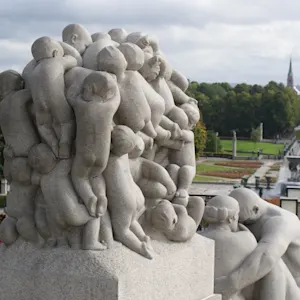
Arrive Oslo in the morning. The Norwegian capital has a great deal to offer the discerning traveller, and you have two full days to discover the city. We can recommend visiting some of Oslo's highlights, including the Kontiki & Fram museums, the Vigeland Sculpture Park, Munch Museum and the Holmenkollen Ski Jump.
Explore the charming shopping streets, cosy cafés and exciting eateries of Grünerløkka. Shop at numerous design boutiques, vintage shops and flea markets. Lastly, visit the new National Museum of Norway down by the harbour before finding a spot in one of the local fish restaurants for dinner.
Depending on the time of year, consider including a late afternoon seafood buffet cruise out into the Oslo fjords.
Optional add-on activity: A 1‑hour La Humla Suse urban nature experience can be added to any Oslo day. Choose to discover a quieter, greener side of the city either at Ola Narr’s elevated wildflower meadow or in the art-and-nature setting around Tracey Emin’s The Mother. Enquiry-only and must be booked in advance. See more info below.
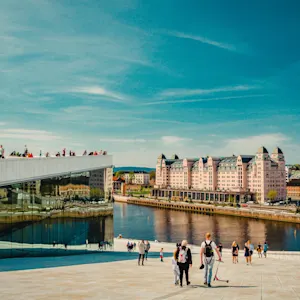
On the morning of day 7, join an in-depth 4-hour walking tour of Oslo. Discover the vibrant spirit of the city on a guided tour through two dynamic neighborhoods. Start in Bjørvika, the modern waterfront district, home to striking landmarks like the Oslo Opera House and Deichman Library. Then, explore the lively streets of Grünerløkka, walking through green spaces like Sofienberg Park and along the River Aker. Then head to Oslo's fantastic food market, where you will taste locally-produced traditional food and drink.
Over the next couple of days you will experience Norway’s most popular round trip; Norway in a Nutshell. The excursion takes you through some of the most beautiful scenery in Norway's fjord region.
After breakfast transfer to the Oslo Central Railway Station and depart Oslo by train across the Hardanger Plateau, with its highest point at Finse (1222m), and to the village of Myrdal. At Myrdal you will change trains and board the Flåm Railway taking you from a height of 900 metres above the Sognefjord, through wild and beautiful mountain scenery with waterfalls and steep mountainsides to the fjord village of Flåm. There is no other adhesion railway in the world running on normal tracks that are so steep over a long distance.
NOTE: Your luggage will be transferred from Oslo to Bergen, so please bring a 1-night overnight bag for this exclusive fjord experience.
This morning, continue by boat to Gudvangen and further by coach up the steep and spectacular hairpin bends to Voss.
Train to Bergen, the capital of the fjords with a free day to explore this old Hanseatic harbour city. Recommended sights of interests are the Hanseatic harbour ‘Bryggen’, Fløibanen Funicular, Edward Grieg’s house at Troldhaugen and the Fish & Flower market.
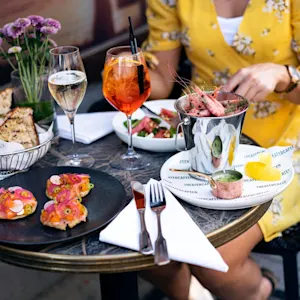
The fish market is a great place to enjoy lunch - fresh produce served al fresco. There is plenty of sushi, paellas or seafood platters to choose from.
There are various seafood restaurants that we recommend in Bergen - some with actual demonstrations included. You can also do a fjord foraging seafood cruise with a beach BBQ. Please speak to us about the style of restaurant you enjoy and we can help you select and prebook this experience.
Our services end after breakfast.
All prices listed are per person, based on two people sharing a room. Prices are indicative.
Please note that the Oslo food tour only runs between Tuesday & Saturday. Many fine dining restaurants in Scandinavia close on Monday nights. Be sure to consult with us regarding your style of restaurant before you go: some need to be reserved well in advance.
Porter service offers safe and secure transportation of your luggage, allowing you to travel through the fjords between Oslo and Bergen with just an overnight bag. Please pack your overnight bag according to the number of nights you will be away from your main luggage. Bring any valuables and medications with you.
You leave the luggage at the hotel reception before 6:30AM and the Porter Service will pick it up and deliver it to your hotel in Bergen by 9:00PM that same day. It will be stored safely until you arrive in Bergen (up to three to four nights later as required).
Please note that 1 piece of luggage per person is included unless otherwise specified.
Image credit on front tile: ©Maja Grønholdt Jensen
IMPORTANT NOTE: Weather conditions may occasionally affect certain activities, and as a result, the schedule may be adjusted to ensure the best possible experience for all guests. For multi-activity stays, often the order of the activities will be confirmed locally on arrival. Activities might vary slightly in their duration or location due to the weather and local conditions. Any activities that are unable to be re-scheduled due to weather conditions, will be refunded as a general practice, as determined by the activity provider.
Good to know: An optional 1‑hour La Humla Suse urban nature experiences in Oslo can be added to this tour. These one-of-a-kind encounters reveal a quieter, greener side of the city, either by exploring the elevated wildflower meadow at Ola Narr or experiencing the art-and-nature setting around Tracey Emin’s The Mother by the Munch Museum.
For full details on both experiences, see 'Urban Nature in Oslo - Optional Experience' under the Oslo days in the itinerary above. Please note: these add-ons are enquiry-only and must be booked in advance.
Ethical eating, sustainable farming and local produce bursting with flavour, our new tour discovers the very best of Norwegian cuisine in the Lofoten Archipelago, Norway.
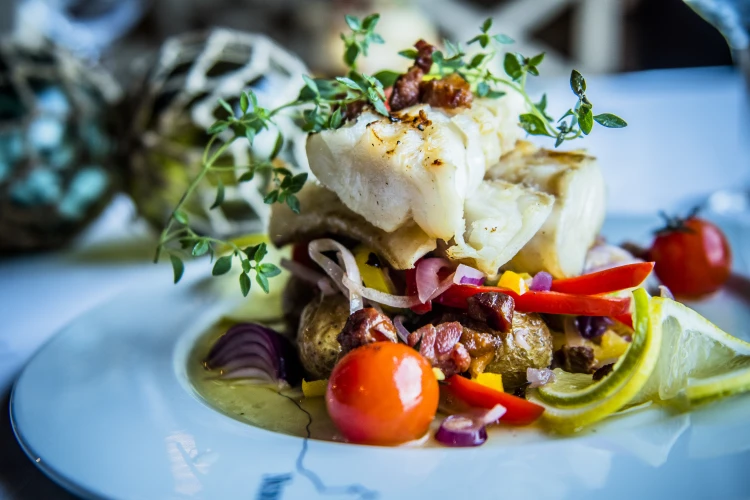

Oslo's restaurant scene reflects the depth and ambition you would expect from a Scandinavian capital. Drawing on the principles of the New Nordic Food Movement, many of the city's best kitchens build their menus around wild, organic and locally sourced Norwegian ingredients, turning traditional flavours into something genuinely contemporary. But the range here is wide, from long-established institutions to casual neighbourhood spots that reveal a different side of the city altogether.
Just on the fringe of our capitals, these restaurants offer memorable dining experiences.

Urban nature experiences in Oslo created with La Humla Suse, offering one‑hour, enquiry‑only encounters that explore meadows, pollinators and sustainable city spaces.
As part of our Impact Fund, 50 Degrees North has partnered with Norwegian conservation organisation La Humla Suse to create two enquiry‑only urban nature experiences that reveal a quieter, greener side of Oslo. These can be booked as add-ons to many of our itineraries that visit Oslo.
While exploring the city, it is easy to focus on the familiar highlights, yet these experiences offer an alternative perspective. Each is a one‑hour encounter with Oslo’s lesser‑known natural spaces, where guests can explore urban meadows, pollinators and the meeting point between nature, art and architecture. Designed as an optional add‑on, they offer a thoughtful way to spend time in the city, encouraging reflection and a deeper sense of place.
La Humla Suse is dedicated to protecting wild pollinators, particularly bumblebees, which are essential to healthy ecosystems and biodiversity. Their work includes urban habitat design, education and community engagement. Through the 50 Degrees North Impact Fund, we support their conservation efforts, including funding a full‑time biologist to expand hands‑on projects and public education. These Oslo experiences extend that work by turning meaningful conservation initiatives into engaging, place‑based encounters.
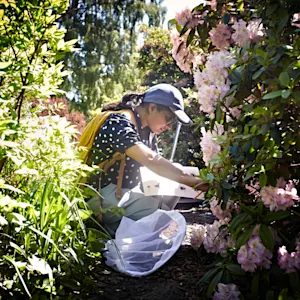
At Ola Narr, just minutes from the city centre, an elevated wildflower meadow opens up sweeping views across Oslo alongside a surprisingly rich natural environment. Guided by La Humla Suse biologists, guests learn how pollinators adapt to urban landscapes, why biodiversity matters in cities, and how green infrastructure can be designed to support nature. A safe, hands-on bumblebee identification activity adds a tactile and memorable learning element, making the experience calm, engaging and quietly immersive rather than touristic.
Located just beside the Munch Museum, contemporary art and ecology come together in a reflective exploration of the wildflower meadow surrounding Tracey Emin’s sculpture. Guests discover how pollinator habitats can be integrated into cultural, architectural and artistic spaces, offering a different perspective on sustainability within the city. The setting encourages observation and reflection, appealing particularly to travellers with an interest in art, design and thoughtful storytelling.
For either of the two options:
Duration: 1 hour
Season: May–September
Guides: English-speaking biologists from La Humla Suse
Availability: Enquiry only, exclusive to 50 Degrees North
Travel insurance is compulsory for all tours with 50 Degrees North. The safety of our travellers, staff and operators is a major priority of 50 Degrees North. With an operational office in Norway, 50 Degrees North has access to an up-to-the-minute flow of information regarding the countries we work in. We are also in regular contact with the various operators we use. Their in-depth knowledge and understanding of their various areas is vital.
Beds and room types. Hotel rooms across Scandinavia are typically furnished with twin beds that can be pushed together to form a double. Single rooms tend to be smaller than doubles and usually have a shower rather than a bath. Purpose-built triple or family rooms are uncommon. If three people are sharing, expect a standard double room with an extra bed added, which means noticeably less space than a purpose-built triple would offer.
Luggage. Porters are rare at Scandinavian hotels. You will generally carry your own bags, so pack with this in mind, particularly on itineraries with frequent hotel changes.
Wi-fi. Free wi-fi is standard across the vast majority of Scandinavian hotels at all price points.
Tea and coffee. Unlike hotels in many other parts of the world, Scandinavian accommodation at the 3-star level rarely provides in-room tea and coffee facilities. There may be a kettle, but often nothing to go with it. Many hotels do offer complimentary tea and coffee in the reception area or lobby, so it is worth asking on arrival. If this matters to you, it is worth checking with us beforehand or bringing a small supply of your own.
Lunch in winter. On itineraries that include lunch during the winter months, expect a warm soup with bread rather than a full cooked meal. This is entirely typical across the region and often very good.
Remote hotels in Lapland. At more remote properties in the far north, the hotel or lodge where you are staying will be your only realistic dining option for dinner. This is entirely normal and nothing to be concerned about. Menus are typically limited to one or two main course choices, but the food is generally home-cooked and reflects the local landscape and ingredients well.
Laundry. Self-service washing machines and dryers are typically located in the basement. If you are staying in apartment-style accommodation and cannot find them, ask at reception.
Norway has a few items that typically surprise first-time visitors. Alcohol and luxury goods are heavily taxed, so prices are higher than you might expect. On the other hand, everyday necessities such as bread and milk are taxed at a lower rate and are generally good value. Eating and drinking out, particularly in restaurants and bars, is where most travellers feel the difference most acutely.
If you enjoy a drink, it is worth bringing your full duty-free allowance into Norway when you arrive. Alcohol bought in Norway is significantly more expensive than in most other countries, and there are many lovely parks, hotel terraces and balconies where you can enjoy what you have brought with you.
Current allowances for travellers entering Norway are set by Norwegian Customs. For the most up-to-date figures, check the official allowances at toll.no before you travel, as these are subject to change. As a general guide, the current duty-free quota for spirits, wine and beer follows a tiered system that allows you to mix and match within set limits. Note that beverages with more than 60% alcohol by volume cannot be imported at all, and you must be over 20 to import spirits above 22% ABV.
It is illegal to bring more than the permitted allowance into Norway without declaring it and paying duty. Customs checks do occur, particularly at ferry and land border crossings.
One thing that catches many travellers by surprise is the cost of razor blades. Good quality razor blades in Norway are expensive compared to most countries, so it is worth stocking up before you arrive.
Written by Jayde Kincaid, an Australian who married a Norwegian, and was happily (albeit with some hesitation) introduced to a world of Norwegian every day food habits.
At 50 Degrees North, we want to encourage our travellers to try local Norwegian food and drink. This may seem daunting in Norway, where restaurants and cafés can be expensive and some of the more remote villages have limited options. There is certainly no street food. One of the best ways to sample local flavours without stretching the budget is by self-catering. You will find friendly locals in small town grocery stores and supermarkets who are happy to help you pick out ingredients. Don't be shy, ask. And don't rush: make the local supermarket part of your holiday experience. Read the notice boards, and enjoy an ice cream out the front when you have finished. It is what the locals do.
Note: Statoil cups - Circle K petrol stations sell a reusable travel cup that gives you free refills of coffee, tea and hot chocolate at any Circle K station. A handy way to save money as you drive around Norway.
Norway has an extensive range of grocery stores, and in most small villages you will find at least one, sometimes two or three. Opening hours are limited, and most chains are closed on Sundays, with the exception of Bunnpris. Weekend hours are usually displayed in brackets on the sign out front. If you are heading into the mountains or along a remote coastal route, stock up with staples before you leave a larger town.
A few tips:
Meatballs or “meatcakes’: these come in all shapes, sizes and quality. They are generally really tasty, a step up from what you find at IKEA. Pick up a packet of dried ready-made brown sauce to go with them, and look out for lingonberry sauce or jam to serve alongside. Lingonberries are the little red circular berries served quite tart. If you want to make the brown sauce yourself, buy some brunost (brown cheese) and follow the recipe at the bottom of this page.
Hotdogs: known as pølse in Norwegian, hot dogs are the definitive fast food of Norway. They are sold at petrol stations, newsagents, corner stores and fast food outlets, and come with a dazzling variety of toppings and breads. Highlights include the bacon-wrapped variety sprinkled with dried onion, mustard and mayonnaise. You will also find them wrapped in waffles, mostly in and around Fredrikstad, or in lompe, the Norwegian flatbread pancake. Like Norwegian beer, pølse comes in seasonal varieties, with Christmas pølse (julepølse) appearing in the weeks before the holidays. Steer away from the tinned varieties.
Fish cakes: these come in many variations and are generally served with a white sauce and plenty of parsley. Often found in fish shops, fried or steamed and ready to eat. A great quick snack.
Reindeer: if you are travelling in the far north, try reindeer meat. It generally comes frozen, so look for finely cut reindeer in the freezer section. It is more expensive than other meats but absolutely delicious, if quite gamey. Fry it with mushrooms, a little brown cheese and rømme (crème fraîche), a bit like a beef stroganoff. Serve with boiled potatoes or rice.
Mushrooms: if you are travelling during the chanterelle season in mid to late August, look for the yellow mushrooms in the pine forests. You can pick them yourself, but image search them first so you know what you are looking for. They are wonderful with the brown cheese sauce and reindeer.
Salmon, prawns & fish: always look out for a chance to buy fresh fish. Look for local fish kiosks or fish shops, or small roadside signs pointing to fresh fish sales. The words to look for are reker (small shrimps, not prawns) and fersk fisk (fresh fish). Norwegian shrimps are small, sweet and harvested from the cool North Sea. Peel them and pile them on fresh white bread with mayonnaise, dill, pepper and salt. Norwegian smoked salmon is exceptional. Try the different varieties where you can, and in larger supermarkets or delis you can often taste before you buy.
Tubed ‘kaviar’ (caviar): cheap, practical and a genuine Norwegian staple. This is the thing Jayde's Norwegian husband craves the way an Australian abroad craves Vegemite.
Pre-made dips and salads: Norwegian supermarkets carry a wide range of premade salads and dips with a reasonable shelf life, ideal for sandwiches and picnics. The cubed beetroot salad and potato salads are particularly good. They come in easy-to-carry containers and tubed mayonnaise travels well too. Leverpostei (liver pâté) is also worth trying, served on brown bread with sliced red onion or sweet pickles. It is found on most Norwegian breakfast tables.
Yoghurt: a small warning here. Norwegian yoghurt comes in styles ranging from thick and creamy to very runny and sour. The runny variety sometimes comes in a carton that looks exactly like a milk carton. Sour runny yoghurt is not nice in your coffee. When in doubt, ask a local.
Bread: supermarket bread in Norway generally comes uncut. There are bread cutting machines near the bakery section in most stores, and staff are happy to help the first time. The bread can be fairly plain in the main supermarkets, so look for boutique bakeries in larger towns if you enjoy something more interesting. Keep an eye out for lefse, the Norwegian flatbread similar to a soft tortilla, usually served with butter and sugar, sometimes with cinnamon, and occasionally made with potato.
Waffles: Norwegian waffle stalls are the equivalent of a sausage sizzle. They are the most common community fundraising food and turn up everywhere. Do not expect sweet jam and whipped cream. These are fresh, chewy waffles served with sour cream and homemade tart berry jam. Never walk past one.
Chocolate: try Freia milk chocolate while you are here. It is genuinely excellent.
Berries: in early autumn, roughly mid to late August, the forests come alive with berries. Ask a local where to look and head up into the hills. You may find blueberries, lingonberries, raspberries, and if you are in the far north or the central mountains, the rare and prized yellow cloudberry.
On a self-drive journey, always slow down for small farm shops and roadside stands.
Strawberries: if you are travelling during strawberry season, stop. Norwegian strawberries, grown in soil that has rested through a long winter, are extraordinary. If you pass a self-pick farm, put everything else on hold and go in. Norwegians wait all year for this.
New potatoes: look for new season potatoes sold in small stands beside the road, often on an honesty system where you take a bag and leave the money in a tin.
CLASSIC RECIPE: brown cheese sauce
Basic Brown Cheese Recipe – can be used with meatballs, reindeer, with added mushrooms.
• 2 tablespoons butter
• 2 tablespoons flour
• 3⁄4 cup light cream
• 1⁄2 cup chicken broth (optional - just use water if you cannot find this)
• 1 cup shredded gjetost or brown goats cheese
• 3⁄4 cup rømme (crème fraiche)
• 2 tablespoons chopped parsley or 2 tablespoons fresh dill
Using the pan from your browned meat, remove as much oil as possible and blend in the butter and flour over heat. Remove from heat and blend in the cream. Add the broth, return to heat and bring to the boil, stirring until thickened. Mix in the gjetost. Turn the heat to low. Blend a little of the sauce into the rømme to temper it, then stir it all back into the pan. Add the parsley or dill and serve.
Happy shopping and cooking!

Oslo's restaurant scene reflects the depth and ambition you would expect from a Scandinavian capital. Drawing on the principles of the New Nordic Food Movement, many of the city's best kitchens build their menus around wild, organic and locally sourced Norwegian ingredients, turning traditional flavours into something genuinely contemporary. But the range here is wide, from long-established institutions to casual neighbourhood spots that reveal a different side of the city altogether.
Norwegian cuisine in its traditional form is rooted in the raw materials available across the country's mountains, wilderness and coast. It differs from its continental counterparts in its stronger focus on game and fish, and many of the classic dishes reflect a long tradition of preservation, shaped by the demands of long winters.
Lofoten Fiskerestaurant: a long-established seafood restaurant at Aker Brygge, with a maritime menu built around the freshest Norwegian fish and shellfish, and harbour views to match.
Kontrast: near Mathallen, in Oslo's former industrial Vulkan district. Now holding two Michelin stars and a Green Star for sustainability, this is one of Norway's most celebrated kitchens. Chef Mikael Svensson's menu is rooted in wild, organic Norwegian produce, and the experience is firmly in the fine dining category.
Maaemo: Oslo's only three-Michelin-star restaurant, and one of the most acclaimed in Scandinavia. A seasonal tasting menu built entirely on organic, biodynamic and wild Norwegian ingredients, served in a dramatic dining room near Oslo Central Station.
Nedre Foss Gård: a beautifully restored historic farm complex beside the Akerselva river in Grünerløkka. The building was gutted by fire in December 2015 and reopened in 2017, and today it is one of the most atmospheric places to eat in Oslo, with a seasonal menu focused on local producers and an outdoor courtyard that comes into its own in summer.
Theatercafeen: a piece of Oslo cultural history, located in the Hotel Continental opposite the National Theatre. In operation since 1900 and beloved by the city's arts and literary world, it remains one of the most characterful places for a long lunch or dinner.
Solsiden Restaurant — a celebrated seasonal seafood restaurant in a former harbour warehouse, directly below Akershus Fortress, with views across the Oslo Fjord. Open from May to September only, so plan accordingly.
De Fem Stuer — set in the historic 1894 Scandic Holmenkollen Park Hotel, high on the hill above the city. The views over Oslo and the fjord are exceptional, and the menu draws on Norwegian ingredients with a modern Nordic sensibility.
Ekebergrestauranten — perched on the Ekeberg hillside with sweeping panoramic views over the city and the Oslo Fjord, housed in a beautifully restored functionalist building from 1929.
Engebret Café — one of Oslo's oldest restaurants, in a 17th-century building in the heart of the old town. Traditional Norwegian food in a setting that has changed little over the centuries.
Frognerseteren Restaurant: Finstua — at the top of the Holmenkollen metro line, with a rustic lodge interior and one of the finest views in the city. A good stop after a walk in the Nordmarka forest.
For more affordable dining, head to the Grünerløkka district. This once working-class area on the east side of the city is now one of Oslo's most vibrant neighbourhoods, with a strong concentration of independent restaurants, cafés and bars grouped around the streets Markveien and Thorvald Meyers Gate. The food here ranges from casual Nordic to international, and the atmosphere on a busy weekend evening is hard to beat.
