
Gothenburg
Gothenburg is Sweden's second largest city.
Gothenburg is Sweden's second city and its most relaxed: a compact, walkable place on the west coast, known for seafood and café culture, and the natural gateway to the Bohuslän archipelago. It rewards travellers who want a Swedish city that feels lived-in rather than polished for visitors, and who want the islands and open coast within easy reach.
Our destination guide further down the page answers the most common questions about visiting Gothenburg.
Style
Season
Duration
Tour Standard

How many days do you need in Gothenburg?
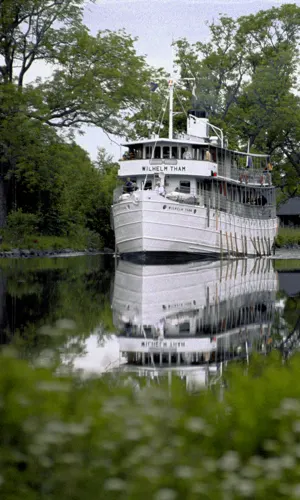
Two nights is enough for the city itself: the centre, the seafood, a wander along the canals and trams. Add two or three more if you're using Gothenburg as a base for the Bohuslän coast, or if you're joining a Göta Canal cruise, which begins on Sweden's west coast.
When is the best time to visit Gothenburg?
Late spring through early autumn, roughly May to September, for the long days and the outdoor seafood season. Late August and September give you the coast at its calmest. For a fuller picture of the Swedish seasons, our guide to touring Sweden off the beaten track covers what each part of the year offers.
Gothenburg or Stockholm: which should you visit?
Choose Stockholm for grand waterfront cityscape and museums, Gothenburg for a smaller pace and quick access to the west-coast islands. Many travellers do both, linked by a scenic three-hour train or a self-drive along the west coast.
What is there to do around Gothenburg?
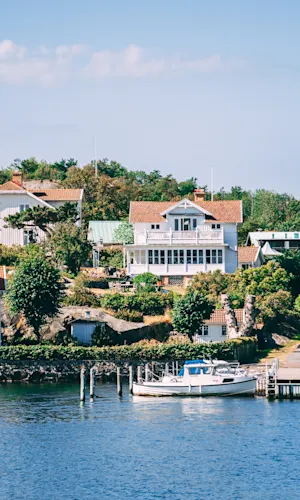
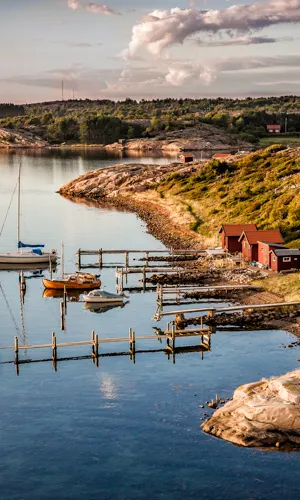
The city's real draw sits just beyond it: the Bohuslän coast, running north to the Norwegian border, a landscape of granite islands, sheltered channels and fishing villages, and one of the finest sea-kayaking areas in Europe. The villages of Grebbestad, Fjällbacka, Smögen and Lysekil are where to go for oysters, lobster and langoustine.