
When is the best time to see the northern lights in 2026-27?

Planning a northern lights holiday and wondering when to go? The most reliable window across the Nordic region runs from early September to mid-April, when the nights are dark enough for the aurora to show.
There is no single best month, but the balance of darkness, weather and daytime activities shifts through the season. The aurora can never be guaranteed, but clear seasonal patterns can meaningfully improve your chances.
Solar Cycle 25 passed its peak in October 2024 and is now in its declining phase, yet activity remains elevated well above the long-term average. That makes the 2026-27 seasons a strong time to plan an aurora-focused journey, and a good reason to travel sooner rather than later, since the cycle fades gradually toward the next solar minimum around 2030 to 2031.
When are the northern lights visible?
Although the northern lights occur year-round, they are only visible when the sky is dark enough. In northern regions such as Norway, Finland, Iceland and Greenland, this typically means planning your trip between early September and mid-April.
In rare cases, particularly during strong geomagnetic storms, auroras can be seen against twilight skies. It is not unusual, for example, to spot early-season displays in late August around places like Tromsø, but September onwards offers much more reliable darkness.
The darker the sky, the better the contrast and the more vivid the colours appear.
Clear skies matter more than cold temperatures
The aurora occurs far above cloud level, so clear skies are essential. Cloud cover is the single biggest obstacle to aurora viewing across northern Norway, Sweden and Finland.
When we plan northern lights itineraries, we typically recommend a stay of four to five nights at minimum. This allows flexibility for changing weather patterns and increases your chances of at least one clear night.
Moonlight also plays a role. While the northern lights can still be seen during a full moon, darker skies around the new moon provide better contrast and a more dramatic experience.
Is there a "best" winter month?
From an aurora activity perspective, you have roughly equal chances throughout the dark season. What varies is the overall travel experience.
- November, December and early January offer the darkest skies, with long nights and frequent aurora opportunities. However, daylight hours are short, often limited to blue twilight, and daytime activities are more restricted.
- Late January, February and March are often considered the most balanced months. Days become noticeably longer, making winter activities such as dog sledding, snowmobiling and snowshoeing more enjoyable, while nights remain dark enough for excellent aurora viewing.
There is also a subtler pattern worth knowing. Geomagnetic activity tends to run a little higher around the spring and autumn equinoxes, so the weeks either side of late September and late March can be particularly rewarding.
Regardless of when you travel, we strongly recommend including at least one evening northern lights experience. This could be a relaxed fireside viewing with warm drinks, or a guided aurora chase by vehicle to escape cloud cover.
Autumn, fewer crowds and milder conditions
If you are keen to search for the lights but prefer less cold and less snow, autumn is a compelling alternative. From September to early October, nights are already dark enough, temperatures are milder, and landscapes are often free of deep snow.
Autumn trips can combine northern lights viewing with activities such as hiking, cycling, and lakeside aurora watching with open-fire barbecues. Many travellers enjoy the quieter atmosphere and flexibility of this season.
Solar activity and the northern lights in 2026-27
The Sun follows an approximately 11-year solar cycle, alternating between periods of low and high activity. The most active phase, the solar maximum, increases the frequency and intensity of auroras.
Solar Cycle 25 reached its maximum in October 2024, confirmed by NASA and NOAA, and the sun has been in its declining phase since. This does not mean the show is over. Activity remains well above the long-term average through this phase, and the strongest individual storms of a cycle often arrive in the years just after the peak. In practice, 2026 remains a strong year for aurora sightings, with 2027 a slightly quieter but still above-average season, before activity fades toward the next solar minimum around 2030 to 2031. The next comparable maximum is not expected until roughly 2034 to 2036.
You can learn more about how solar activity influences the northern lights through official space weather sources, such as the options below.
So, when should you go?
There is no single "best" month, but:
- September and October suit travellers wanting milder weather and fewer crowds
- February and March offer the best balance of daylight, activities and aurora viewing
- November to January provide the darkest skies for those focused purely on auroras
The most important factors are time, flexibility and location, not just the calendar month.
Further reading
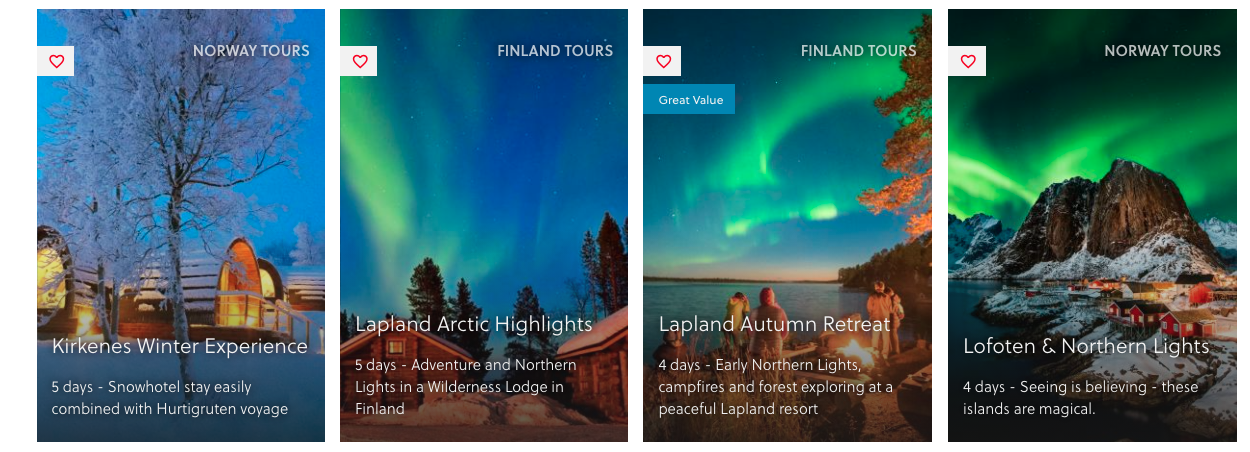
Explore our range of unique northern lights tours and travel packages and find the itinerary that best matches your travel style and season of choice.
For more on where and when to see the aurora, read our detailed planning guides or browse our full collection of northern lights articles.
About the author
Tietse Stelma is the co-founder of 50 Degrees North, a Norwegian born in Karasjok, a Sámi town in Finnmark well north of the Arctic Circle. With a career in travel, much of it in the far north, he founded 50 Degrees North in 2010 with Jayde Kincaid to show the Nordic region through the people who know it best. He has watched the northern lights more winters than he can easily count.