Iceland tours: small group, self-drive & private | 50 Degrees North
Iceland packs glaciers, volcanoes, waterfalls and geothermal springs into a compact, road-connected island, and there are four main ways to see it with us: on a small group tour, on an independent trip based in Reykjavík, on a self-drive holiday between May and September, or on a private, tailor-made journey. Winter is the season for the Northern Lights, summer for the midnight sun and the full Ring Road, and the shoulder months for quieter roads and autumn colour.
What makes Iceland worth the trip?
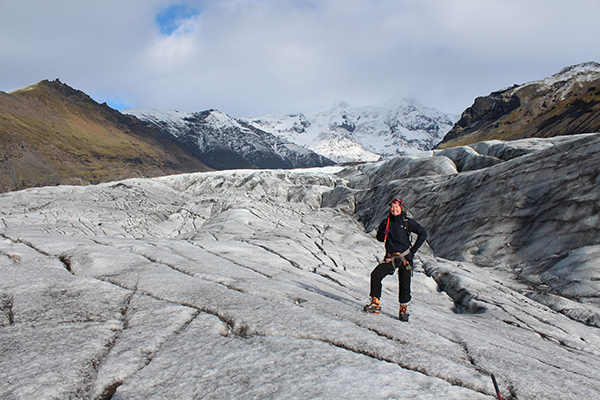
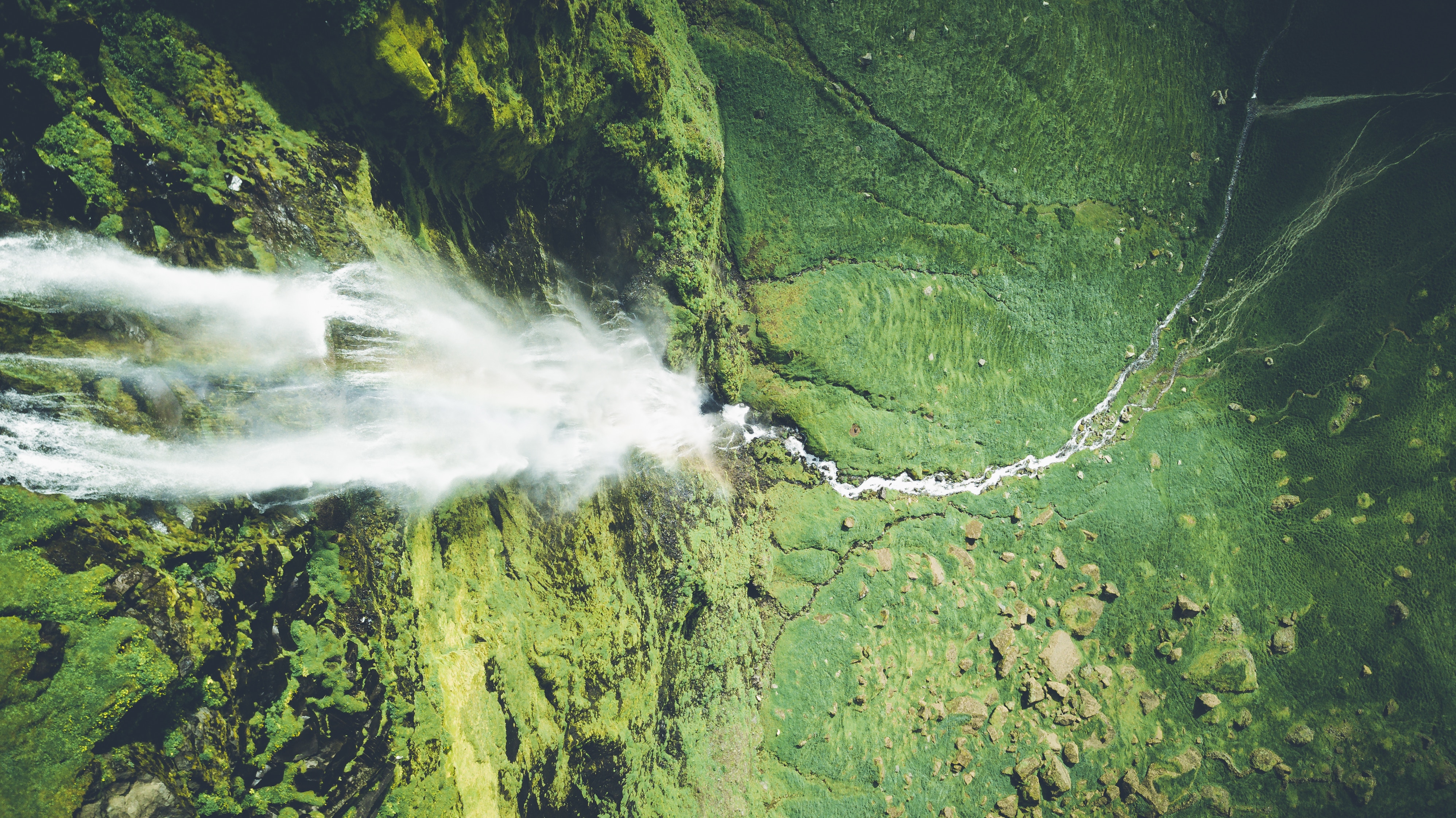
Iceland sits where two continental plates pull apart, and the landscape shows it: active volcanoes, lava fields, geysers and hot springs alongside glaciers, black-sand coasts and some of Europe's most powerful waterfalls. It is also easy to travel, with most of the great sights strung along the Ring Road that circles the island. In winter the long dark nights bring the chance of the Northern Lights; in summer the midnight sun opens up the highlands and the whole coast. You can see all our journeys on our Iceland holidays page.
Ways to travel in Iceland
Small group tours
If you would rather have the route planned and the driving handled, a small group tour travels with a guide and a small group of fellow travellers. In winter, our six-day Icelandic Lights tour runs from October to March, following the Golden Circle and south coast to the glacier country around Jökulsárlón, with three evenings set aside for guided Northern Lights searches. In the summer months, group tours circle more of the island: Gems of South Iceland and Reykjavik over six days, Gracious Southwest Iceland over seven, and the twelve-day Grand Tour of Iceland, a full circuit of the country.
Independent trips from Reykjavík
On an independent trip everything is arranged for you, your accommodation, transfers and a series of guided day and evening tours, which you join as an individual rather than as a set group. These are ideal in winter, when we do not offer self-drive. Options include Fire, Ice and the Blue Lagoon, five days with a Northern Lights focus, South Iceland Landscapes and Northern Lights over six days, Golden Circle and Northern Highlights over seven, and the shorter Iceland Stopover.
Self-drive holidays, May to September
Between May and September, a self-drive holiday lets you travel at your own pace and reach the quiet countryside, staying in country hotels and farm stays along the way. We only offer self-drive in these months, when the roads and daylight make it straightforward; in winter we arrange guided travel instead. Routes include the Iceland Westfjords self-drive, Snæfellsnes and Golden Circle self-drive, Snæfellsnes and North Iceland self-drive, South Iceland and Vestmannaeyjar self-drive, and a family-friendly Iceland with Kids itinerary.
Private and premium journeys
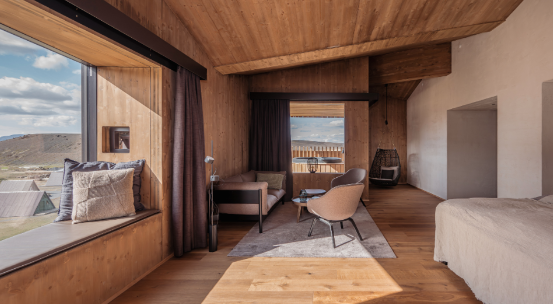
For a trip shaped entirely around you, our private and premium journeys pair standout stays with private guiding. Best of Iceland travels in depth with premium accommodation throughout, Untamed Iceland Deluxe leans into the wilder corners, and Private Iceland runs as a winter Northern Lights trip or a summer adventure. For shorter, active add-ons, Lava, Hotsprings and Glaciers and Active Iceland focus on the southwest.
When is the best time to visit Iceland?
There is no single best time; it depends on what you want to see.
| Season | What to expect | Good for |
|---|---|---|
| Summer (Jun–Aug) | The midnight sun, long days, open highland roads | Self-drive, the full Ring Road, hiking and puffins |
| Autumn (Sep–Oct) | Darker nights returning, autumn colour, milder weather | Early Northern Lights with easier travel |
| Winter (Nov–Mar) | Long dark nights, snow, ice caves | The Northern Lights and winter landscapes, on guided trips |
| Spring (Apr–May) | Lengthening days, thawing landscapes, fewer visitors | Quieter travel as the self-drive season opens |
For the Northern Lights specifically, see our guides to the best time to see the Northern Lights in Iceland and Iceland Northern Lights tours.
Driving the Ring Road
Iceland's Route 1, the Ring Road, circles the island and is fully paved, linking most of the major sights. For a full circuit, allow at least eight days, which leaves a couple of days for Reykjavík and around six for the route itself. The scenery changes quickly, from volcanic plains and glaciers to fjords and farmland. Remember that we offer self-drive only from May to September, and that off-road driving is illegal and damages the landscape, so stay on marked roads at all times. For more on preparing, see preparing for your Iceland tour.
Staying in the highlands: Highland Base
For something further off the map, Highland Base sits in the central highlands at Kerlingarfjöll, a region once cut off in winter. It is a remote base for hiking, biking and, in the colder months, snow activities, with geothermal pools, a modern hotel and rustic mountain huts, and some of the darkest skies in the country for the Northern Lights. In summer it is reached by road; in winter, by adapted super jeep, which is part of the adventure.
Geothermal spas: the Blue Lagoon and Sky Lagoon
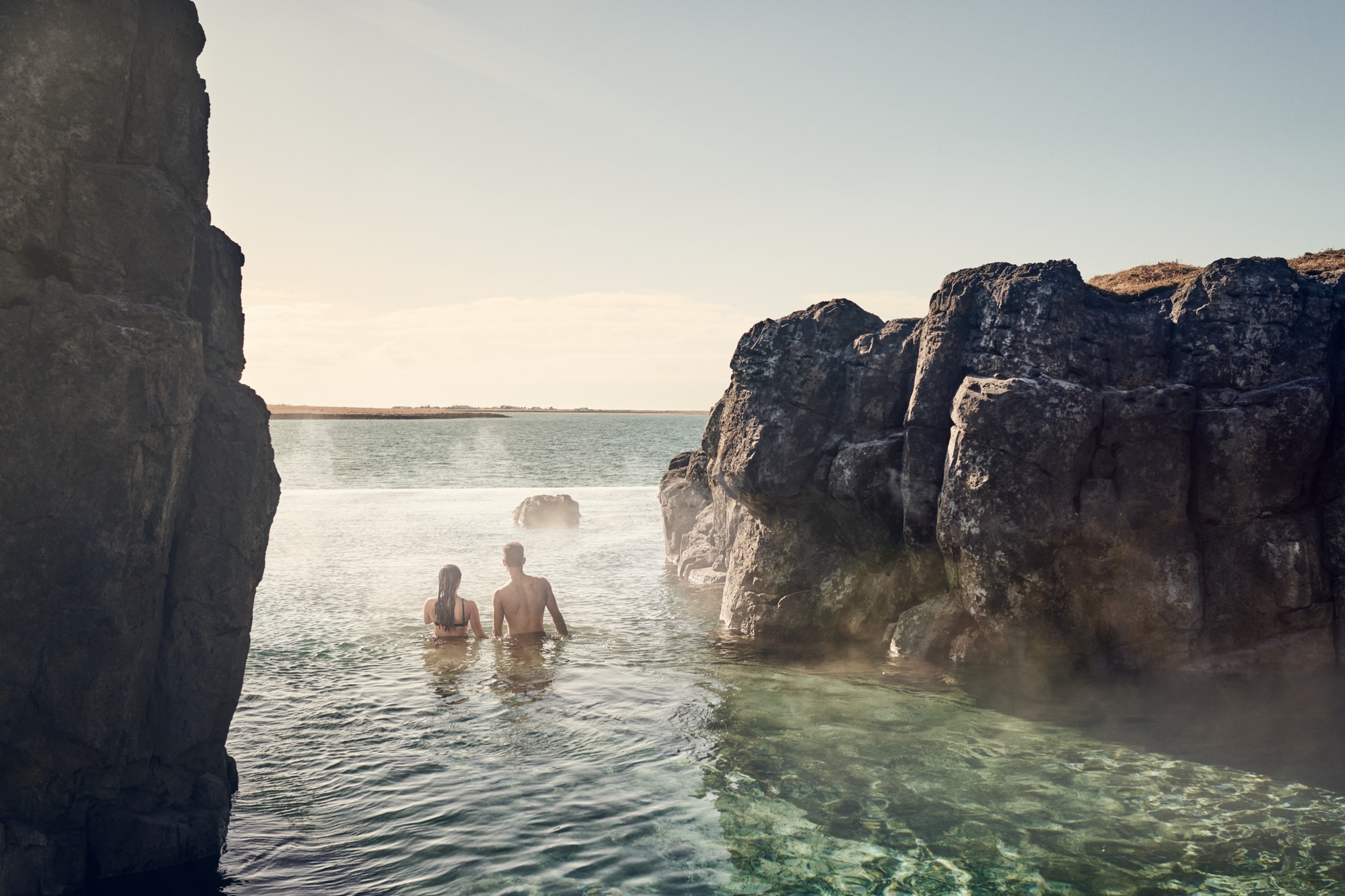
A soak in geothermal water is part of any Iceland trip. The Blue Lagoon, near Keflavík International Airport, is an easy stop at the start or end of a journey. It is open year-round, though hours are shorter in the aurora season, running roughly 08:00 to 22:00 from late August to the end of January and 08:00 to 20:00 from February onwards, and entry must be booked in advance. Closer to Reykjavík, the Sky Lagoon is an oceanfront spa with an infinity edge looking out over the Atlantic and a multi-step bathing ritual. Both sit on the Reykjanes peninsula area, which has seen volcanic activity since 2023, so it is worth checking they are operating when you book.
Fine dining in Iceland
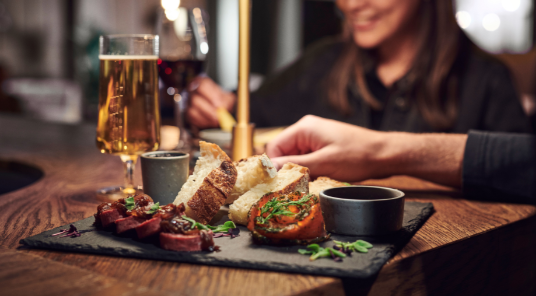
Iceland's food scene has grown well beyond its reputation, and it now has three Michelin-starred restaurants, all built around seasonal Icelandic produce. According to the Michelin Guide, these are Dill, which earned Iceland's first star in 2017, Óx, awarded in 2022, and Moss at the Blue Lagoon, awarded in 2023 and led by chef Aggi Sverrisson. The Michelin Guide also lists TIDES at the Reykjavík EDITION hotel among its recommended restaurants. We can build a meal at any of these into a trip.
Frequently asked questions
How many days do you need in Iceland?
For a full circuit of the Ring Road, allow at least eight days. For the south coast and Golden Circle alone, five or six days is enough, and a stopover of three to four days covers Reykjavík and the highlights nearby.
Can you drive yourself around Iceland?
Yes, in summer. We offer self-drive holidays from May to September, when the roads and daylight suit it. From October to April we arrange guided tours or transfers instead, as winter driving can be difficult and daylight is short.
When can you see the Northern Lights in Iceland?
Roughly late September to early April, when the nights are dark enough, with the strongest odds from about October to March. See our best time to see the Northern Lights in Iceland guide for the detail.
Is Iceland expensive?
Iceland is a higher-cost destination, particularly for dining and accommodation, reflecting the cost of importing goods and operating in a remote northern country. Travelling in the shoulder seasons and booking ahead helps.
What is the weather like?
Changeable at any time of year, with wind and rain possible even in summer. Layered, waterproof clothing is essential. See preparing for your Iceland tour for packing advice.
Plan your trip
Browse our full range of Iceland tours, or get in touch and our specialists will help match the season, the route and the way you like to travel.
About the author
Satu Vänskä-Westgarth is Director of Product at 50 Degrees North. Finnish, and living in Norway for more than fifteen years, she has worked across the travel industry from raft guiding and travel writing to product strategy, and designs the company's Nordic journeys around authentic, local experiences. A keen photographer, she travels widely across the north, from Lofoten to the Faroe Islands and Greenland. Read more about Satu Vänskä-Westgarth.