
Reykjavik
The capital of Iceland is a vibrant city with a small population.
Reykjavík is the world's northernmost capital, a compact, walkable city on Iceland's southwest coast with a creative culture that runs well ahead of its size in design, music and food. It suits travellers who want a city break with real character, and it is the natural base for day trips to the Golden Circle, the south coast and the Reykjanes geothermal fields.
Further down the page, our destination guide answers the most common questions about visiting Reykjavík.
Style
Season
Duration
Tour Standard















Gallery


How many days do you need in Reykjavík?
Two or three nights is enough to see the city itself: the old town, the shopping streets around Laugavegur, Hallgrímskirkja's tower and the waterfront. Most travellers add days for day trips, so allow four or five nights if you want to combine the city with the Golden Circle, the south coast or the Blue Lagoon. Reykjavík also works well as a short stop on a longer route: see our Iceland Stopover.
When is the best time to visit Reykjavík?
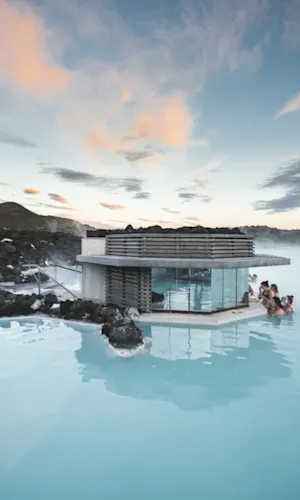
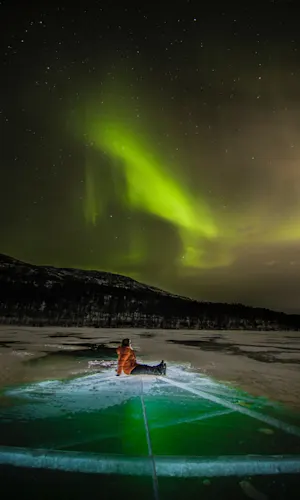
Reykjavík rewards a visit year round, but the experience changes sharply with the seasons. Summer brings almost continuous daylight and an outdoor culture that runs late into the evening, with geothermal pools, harbour walks and open-air events. Winter days are short, but the long, dark nights make the city one of the better bases for aurora viewing, with search tours running on clear nights. For guidance on timing an aurora trip, read our guide to the best time for northern lights in Iceland.
How do you get to Reykjavík?
Reykjavík is reached through Keflavík International Airport, Iceland's main gateway, about 50 km from the city on the Reykjanes peninsula. The Flybus coach runs into the centre in around 45 minutes, timed to arriving flights, and car hire is available at the airport for travellers planning to drive. Reykjavík also works as a short stop on a longer route: see our Iceland Stopover.
What is there to do around Reykjavík?
The city is walkable, and most of the main sights sit within easy reach of the centre. Highlights include Hallgrímskirkja and its tower view, the Perlan nature exhibition and its 360-degree observation deck, the Harpa concert hall on the waterfront, the Sun Voyager sculpture and the old harbour, which has become one of the city's best areas for food and independent shops. Whale watching tours run from the old harbour, most actively from April to October. Beyond the city, the Golden Circle, the south coast, the Snæfellsnes Peninsula and the Reykjanes geothermal fields are all reachable as day trips.
Is Reykjavík worth visiting?
Yes. Reykjavík is small, but its design, music and food scene give it a confident identity of its own, and its colourful streets reflect local character rather than a concession to tourism. It also earns its place on merit as a sustainable destination: Reykjavík ranked tenth in the 2025 Global Destination Sustainability Index, reflecting strong tourism governance, high supplier standards and investment in the city's environmental infrastructure. We looked at what that ranking means in practice in our article on why Nordic cities top global destination rankings. Reykjavík was also a European City of Culture in 2000, one of the smallest cities to hold the title: see European Capitals of Culture in the Nordic and Baltic region. For more on the country, browse our Iceland travel articles.