Practical information about self drive holidays in Iceland
Driving Conditions:
Conditions in Iceland are in many ways unusual and often quite unlike what foreign drivers are accustomed to. It is, therefore, very important to read about driving conditions and if this type of tour suits you.
Road conditions in Iceland vary substantially. Highway 1 (Þjóðvegur 1) is mostly paved, but other country roads are often very narrow, steep and unpaved. Those unfamiliar with such conditions often find it difficult to drive on Icelandic roads, especially in winter. We advise all travellers to gain information before heading off to the roads and recommend driving a 4wd during the winter (October - March). Please visit the website www.safetravel.is for further information.
Before you get in your car and have to dial 112, please check the road conditions en route to your destination with this very informative map.
This atlas/guidebook/crazy facts book is also recommended.
Finding your Iceland accommodation:
Most of the farms and guesthouses have good signs on the roads and are marked on detailed maps. However we advise all travellers to buy good maps (e.g. 1:500 000) and to go over the route before the journey. If lost do not hesitate to call the accommodation and ask for directions.
The most useful map in the car and essential companion to the Iceland Road Atlas is the KORTABOK, beautifully designed by Hans H. Hansen, on a scale of 1:300 000. It can be found in all good bookstores and the better gas stations.
There are also some new mobile Apps that you can use to guide you.
**Just a note: you often stay at a different accommodation each night on these self-drive itineraries. Be sure to pack with this in mind. **
Check in and out times:
Check-in is usually after 14:00 and check-out before 12:00 but it can vary between the accommodation. The farmers should be notified if you intend on arriving later than 18:00.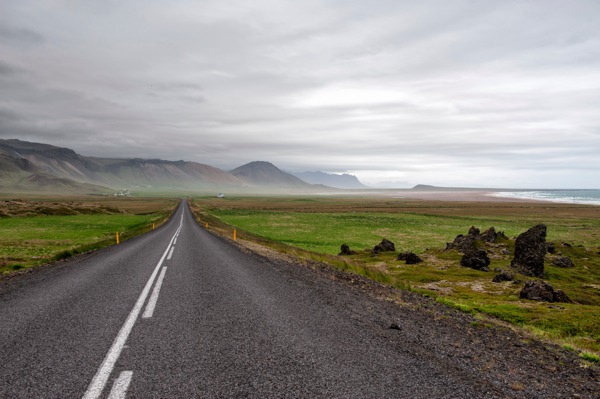
Dinner arrangements and other meals:
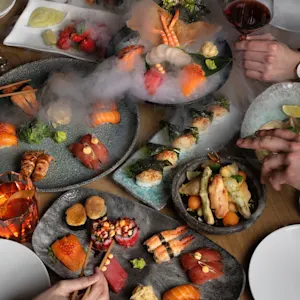
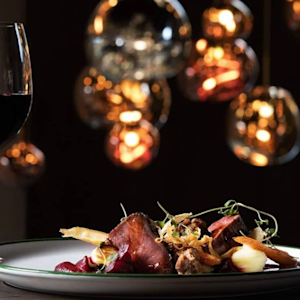
Dinner is available in most of the farms and guesthouses. Some of them have fantastic restaurants with well known chefs while others offer more traditional meals in their own kitchen! Lamb and fish are amongst the most common dishes in Iceland.
Accommodation places we book for you do evening meals. When staying in the smaller farms it is often a good idea to give them a call in the morning if you wish to have dinner in the evening. This way you will also know what time dinner is served (on smaller farms there's usually a set time, around 7-8pm or so). Some of the bigger places have a restaurant that might be open for a few hours each night. Cost for a basic soup & bread dinner is around ISK2000 (roughly AUD20), 3 course meals (which are usually excellent) are around ISK4000-6000 (AUD 40-60), depending what you order. Glass of house wine was around ISK1100 (AUD11) in most places.
For lunch you can stop at petrol stations for example (they usually serve little sandwiches etc.), but I would probably recommend having some snacks (fruit, biscuits, nuts etc.) in the car, as the more remote locations won't necessarily have too many options.
Petrol stations also sell coffee and hot chocolate. Be sure to find the 'self heating' hot chocolate (and coffee) cans that you can get in some places ( Buy a few of these if you see them, and have them in the car).
Horse riding options:
Usually, horseback riding can be booked on the spot. Day tours and longer tours however must be booked in advance.
Car types:
It is not necessary to drive a 4 wheel drive car in summer unless you are crossing the highland and F-marked roads.
Best time to visit Iceland:
The summer months, June, July and August, is the most popular time to visit Iceland. However spring and fall can be just as nice, especially for those who want to enjoy the tranquility of the countryside. If you are looking for a unique experience, a winter visit will be unforgettable with the northern lights and a magical landscape.
Farm Accommodation Standard:
Some farmers in Iceland supplement their low farming income and cater for tourists, and the most natural way of doing that is building cabins on their land. They are reasonably basic, with private facilities in the cabins and rooms. The meals offered on the farm stays are generally traditional home made food featuring locally sourced ingredients from their own farm or neighbouring farms, such as geothermally grown vegetables, organic beef and lamb, freshly caught fish and home baked bread.