Oslo
The tranquil and picturesque capital of Norway.
Oslo sits at the head of the Oslo Fjord, a relaxed capital wrapped in forest and water. It is home to the Kon-Tiki and National museums, the Holmenkollen ski jump and Gustav Vigeland's sculpture park, and it has more bars and restaurants per head than almost any capital in Europe. It suits travellers who want a walkable, low-key city with genuine wilderness on its doorstep, and it is the usual starting point for a journey west to the fjords.
Our destination guide further down the page answers the most common questions about visiting Oslo.
Style
Season
Duration
Tour Standard

















What is there to do in Oslo?
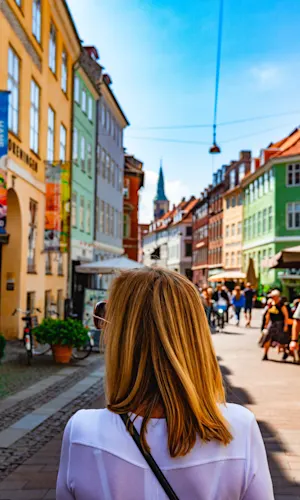
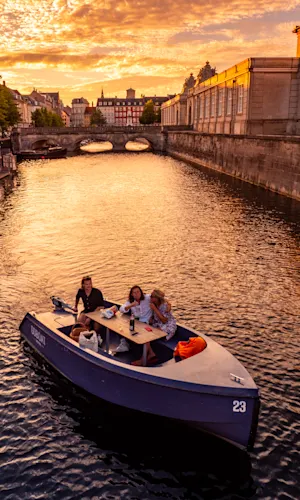
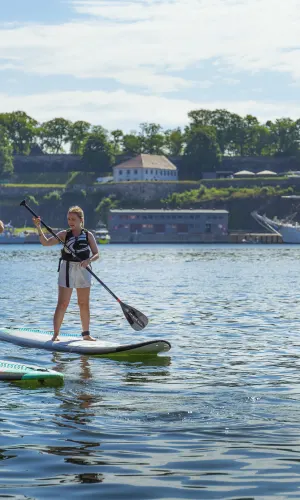
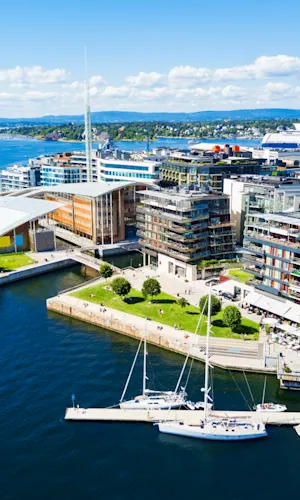
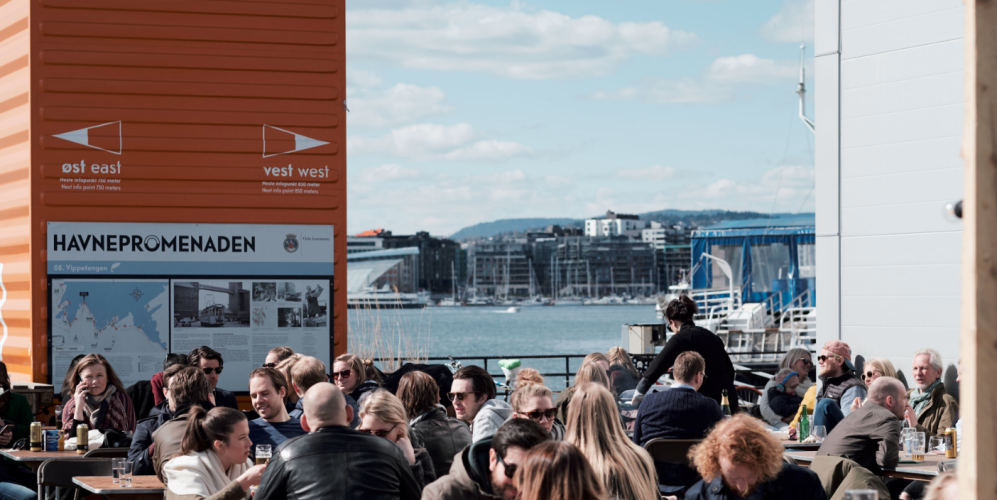
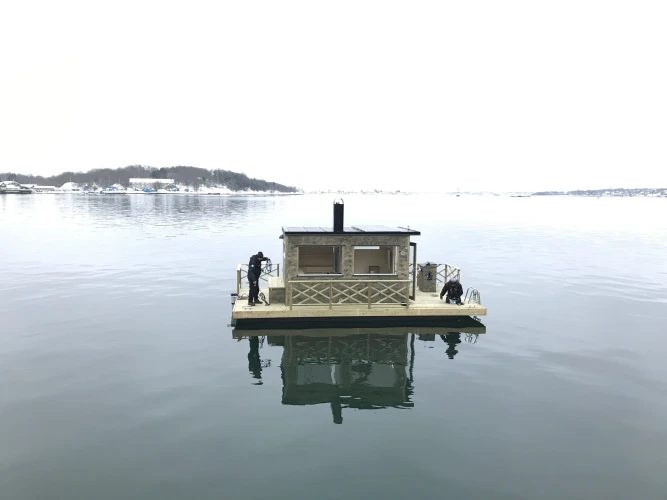
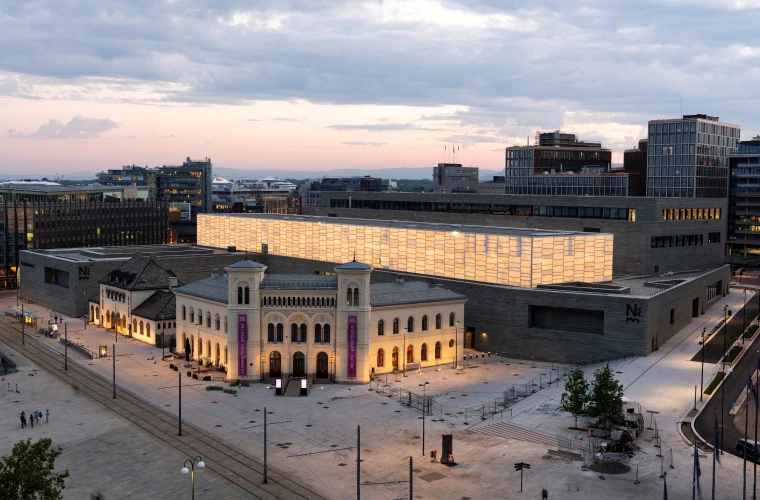
Oslo packs a lot into a walkable centre. The Kon-Tiki Museum, the new National Museum, the Holmenkollen ski jump and Gustav Vigeland's sculpture park are the anchors, and a stroll along the harbour past the old wooden tall ships, followed by a drink in the evening sun at Aker Brygge, is one of the city's simple pleasures. In summer, the islands of the Oslo Fjord archipelago become the city's playground, reached by ferry from the centre.
How do you get from Oslo to the fjords?
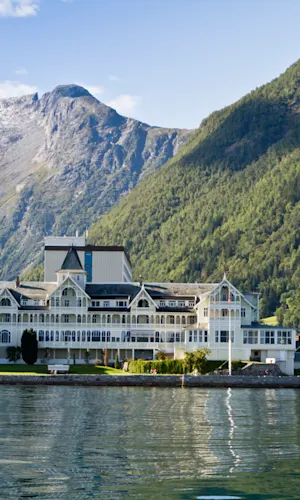
Most fjord journeys begin in Oslo and head west. The seven-hour Oslo to Bergen railway is one of the most scenic rail journeys in Europe, crossing high mountain plateaus on its way to the coast, and it forms the spine of the classic route between the two cities.
Is Oslo a good city for the outdoors?
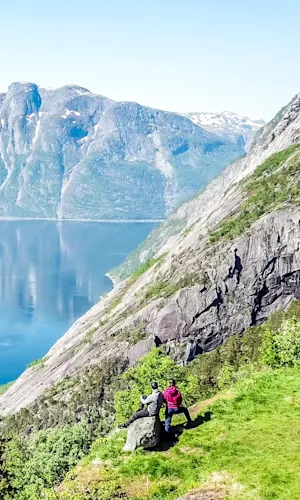
Unusually so for a capital. Oslo covers around 453 square kilometres, most of it forest, which makes it one of the largest capitals in the world by area and one of the greenest. The city sits in an amphitheatre around the fjord, with the forested Marka, Nordmarka, Østmarka and Lillomarka, rising directly behind the residential areas. The wildlife is remarkable for a city of this size: moose are commonplace and easily spotted in winter, and the surrounding forest is genuinely wild. (Despite the old stories, there are no polar bears, they have never roamed Norwegian streets.)
How can you experience Oslo like a local?
A few things Oslo folk do that most visitors miss. Take metro line 1 to its final stop at Frognerseteren and walk the signposted 7 km loop to Skjennungstua, a forest café with a wide view over Oslomarka, stopping for lunch at the top. In winter, ride the Korketrekkeren, the corkscrew toboggan run at Frognerseteren. In summer, join the locals at Huk beach on the Bygdøy peninsula with a barbecue and a swim in the warm water. And early risers can head to Rådhuskaia, the harbour in front of the town hall, where fishermen sell freshly caught shrimp from 7am, best eaten on white bread with a little mayonnaise, an Oslo tradition worth getting up for.
A little history
Oslo's history runs back over 1,000 years. Founded in 1048 by King Harald Hardråde, it became Norway's capital around 1300, then lost its standing during the Danish-Norwegian union. After a fire destroyed the old city in 1624, it was rebuilt west, under the protection of Akershus Fortress, and renamed Christiania after the Danish king Christian IV. It kept that name until 1 January 1925, when it became Oslo once more.