Have you always dreamt of observing or photographing the king of the Arctic, the polar bear, in its natural habitat? On the Svalbard archipelago (also known as Spitsbergen) off mainland Norway, it is possible, with the right trip and a little luck. Here are answers to the questions we are asked most often.
Can I see polar bears in Norway?
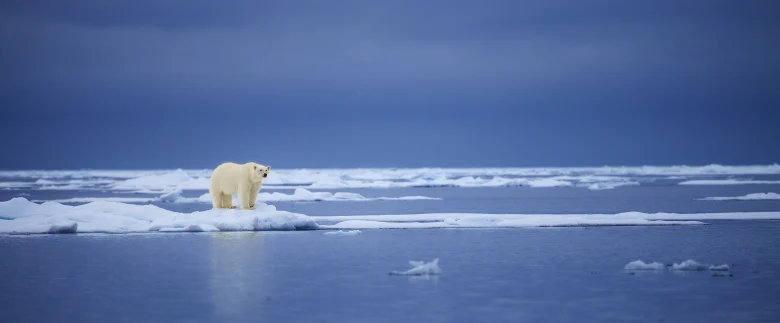
Yes, you can see polar bears in the wild in Norway, on the Svalbard archipelago, though never on demand and never up close.
The Svalbard Archipelago, situated in the Arctic Ocean north of mainland Norway, is one of the few places in the world where you can see polar bears in the wild. The Svalbard area polar bear population is estimated at around 300 living on Svalbard year-round, rising to a likely maximum of just under 1,000 when including bears on the sea ice to the north, part of a wider Barents Sea population of around 3,000. A large number of polar bears reside in the islands east of Spitsbergen, the only permanently populated island in Svalbard, but polar bears can be encountered anywhere in the area.
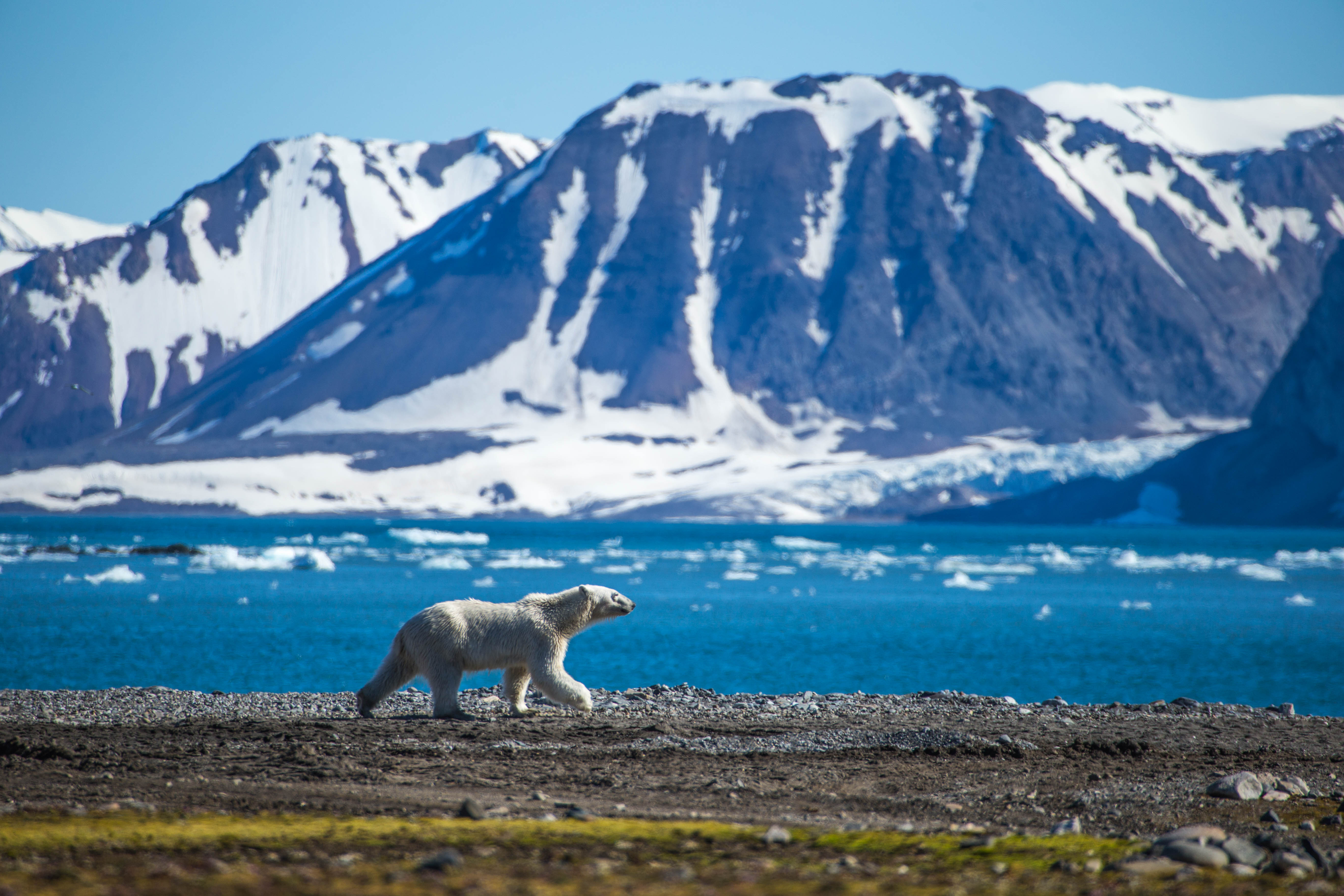
Overall, there are approximately 22,000-31,000 polar bears left in the world, the biggest populations being found in Canada, Alaska, Greenland and Russia. They are classified as a vulnerable species on the IUCN Red List, mainly due to climate change and the related loss of natural habitat.
When is the best time to travel for seeing polar bears?
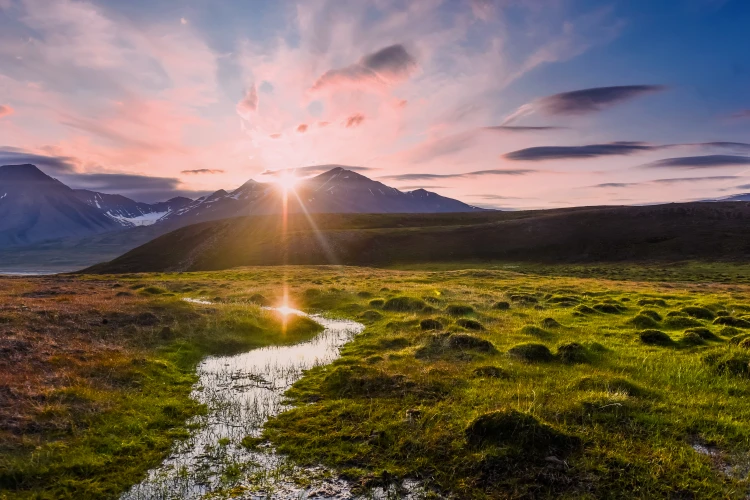
The best period to travel to Norway and Svalbard to see polar bears is from June to September, with the earlier summer months usually the better choice. With the midnight sun, when the sun doesn't set below the horizon, the Arctic starts to melt, making it possible to navigate through the archipelago. As there is less packed ice than in the winter months, polar bears tend to stay in more concentrated areas. Most expedition cruises, which offer the best chance of a sighting, run within this window, concentrated around July and August when the ice has retreated enough to reach the north and east of the archipelago.
In contrast, when the archipelago freezes over in the winter, polar bears tend to be far out on the sea hunting for seals. With the darkness of the polar night over them, it is next to impossible to reach or observe them.
Difference between polar bear safari, boat trip and expedition cruise?
There are three main ways to travel through the areas where polar bears live, and they differ mainly in length and in how far they can take you from Longyearbyen. A safari is a day trip on land or by snowmobile, staying relatively close to town, and offers the lowest chance of a sighting. A boat trip is also usually a day trip, tracing the coast and fjords near Longyearbyen, with a limited chance. An expedition cruise runs for several days or more and reaches the remote north and east of the archipelago, where bears are most likely to be, so it offers the best chance of all three. The sections below explain each in more detail.
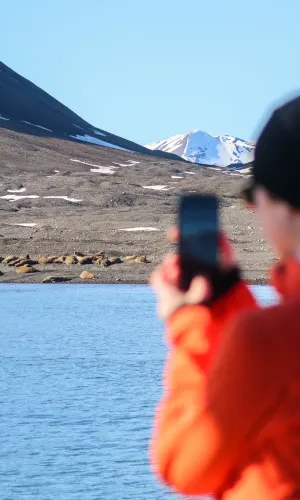
Sightings are never guaranteed on any of them. Meeting a polar bear around Longyearbyen is rare, and most often only footprints prove that one has passed through. Even without a sighting, though, the landscape and the wider Arctic wildlife, from walruses and reindeer to vast seabird colonies, give every trip plenty to show for it.
Polar bear safaris
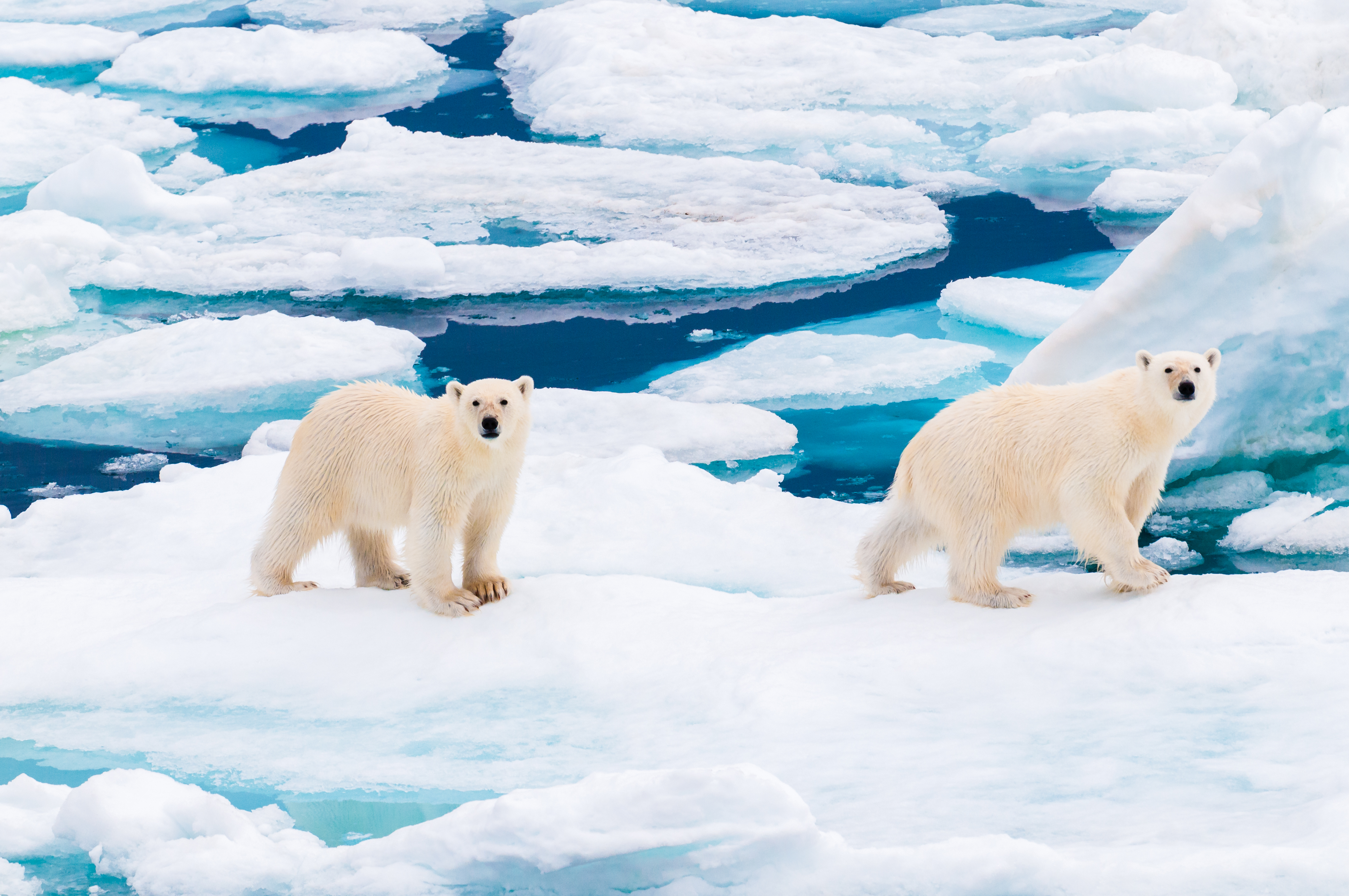
Polar bears are wild animals, and they are protected by law. This means there are no tours that set out to find and follow bears, no "polar bear safaris" in that sense. What does exist are general wilderness safaris on which a sighting is possible but incidental. On day safaris out of Longyearbyen, travelling on land or by boat, you are unlikely to see a polar bear. Some of the longer snowmobile tours might provide a chance to observe one in its natural habitat, and you will also encounter other wildlife native to the region and learn about the flora and fauna of these islands. Please note that these trips are very limited, organised early in the season, and are the least likely option of all for spotting a polar bear.
Boat trips
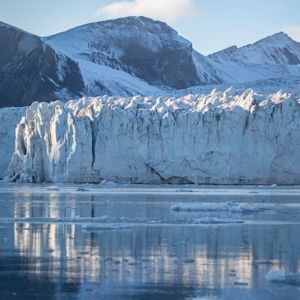
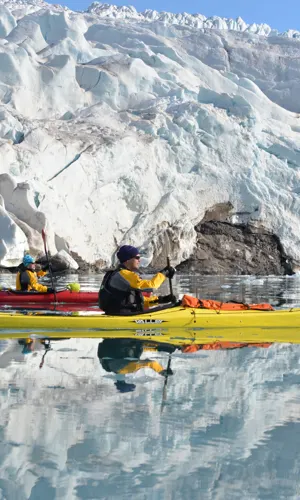
Boat trips are usually day trips, where you travel from point A to B or enjoy a leisurely return cruise past bird cliffs and glacial ice walls. Many day trips include a lunch, but do check your tour details for more information. These boat tours also offer a limited chance of spotting a polar bear.
Expedition cruises
Expedition cruises usually last at least a week, and travellers have the chance to reach land for excursions and hikes using rubber dinghies each day. Of all the ways to travel in Svalbard, these offer the greatest chance of seeing a polar bear, as they reach the remote north and east of Spitsbergen during the summer (July and August), where bears concentrate on the sea ice to hunt their favourite prey, the ringed seal. We do not run expedition cruises ourselves, but they are worth understanding as the benchmark for sighting odds, which helps put the other options in context.
NOTE: It is illegal to follow polar bears or otherwise try to find them. Since 1 January 2025, Svalbard's environmental regulations require a minimum distance of 300 metres from any polar bear, extending to 500 metres between 1 March and 30 June, when bears are more vulnerable to disturbance. If you come across one on your trip and find yourself closer than this, you are required to retreat rather than continue observing, and you are never allowed to disturb a bear, for example by driving close by with a snowmobile. For the current rules in full, see Visit Svalbard's polar bear guidelines.
Where can I stay for the best chance of seeing one?
If you are not joining an expedition cruise, the next best thing you can do is spend a few nights out in the wilderness, in the areas bears range, rather than basing yourself in Longyearbyen.
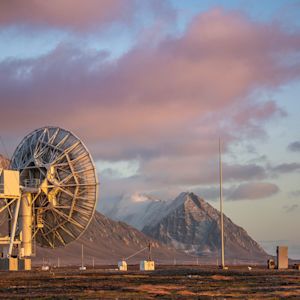
Our Magic of the Arctic travel package spends two nights at Isfjord Radio, a former radio station turned wilderness hotel at the outer edge of Isfjorden, reached by boat from Longyearbyen. Days are spent out on the water and the land, including a rib boat safari toward Esmark Glacier, which puts you in bear country.
It's worth being clear about the odds. A stay like this improves your chances over a day trip from town, because you are further out and spending more time in the areas bears use. It does not match a multi-day expedition cruise, which reaches the far north and east where bears concentrate. A sighting on Magic of the Arctic is a real possibility rather than a scripted encounter, but it is never something we can promise. What you can count on is the wider Arctic setting and its wildlife, whether or not a bear appears.
Planning a trip to polar bear country?
For ideas and inspiration see our travel packages to Svalbard for your next adventure.
Have something else in mind? Contact our Nordic staff who will make a tailor-made itinerary to suit your needs.
Before you travel, it's worth reading Visit Svalbard's guide to everything you need to know before departure, which covers travel insurance, clothing, and safety guidelines for the archipelago.