Packing for a Nordic Winter Holiday
What to wear, what to bring, and how to stay comfortable in snow
As the Norwegians say, “There’s no such thing as bad weather, only bad clothes.”
Packing well for winter conditions really does make the difference between simply coping and truly enjoying your time in the snow.
Winter in the Nordics is a wonderful time to be outdoors for both adults and children, as long as everyone is dressed appropriately. This guide is designed to help you pack with confidence for late autumn, winter and early spring travel.
If you’re new to winter travel, start with our guide to travelling in Scandinavia during winter to understand what conditions are really like.
For practical advice on managing luggage and day-to-day winter travel, see our Lapland winter packing advice.
And if you are unsure about anything listed below, our team is always happy to advise.
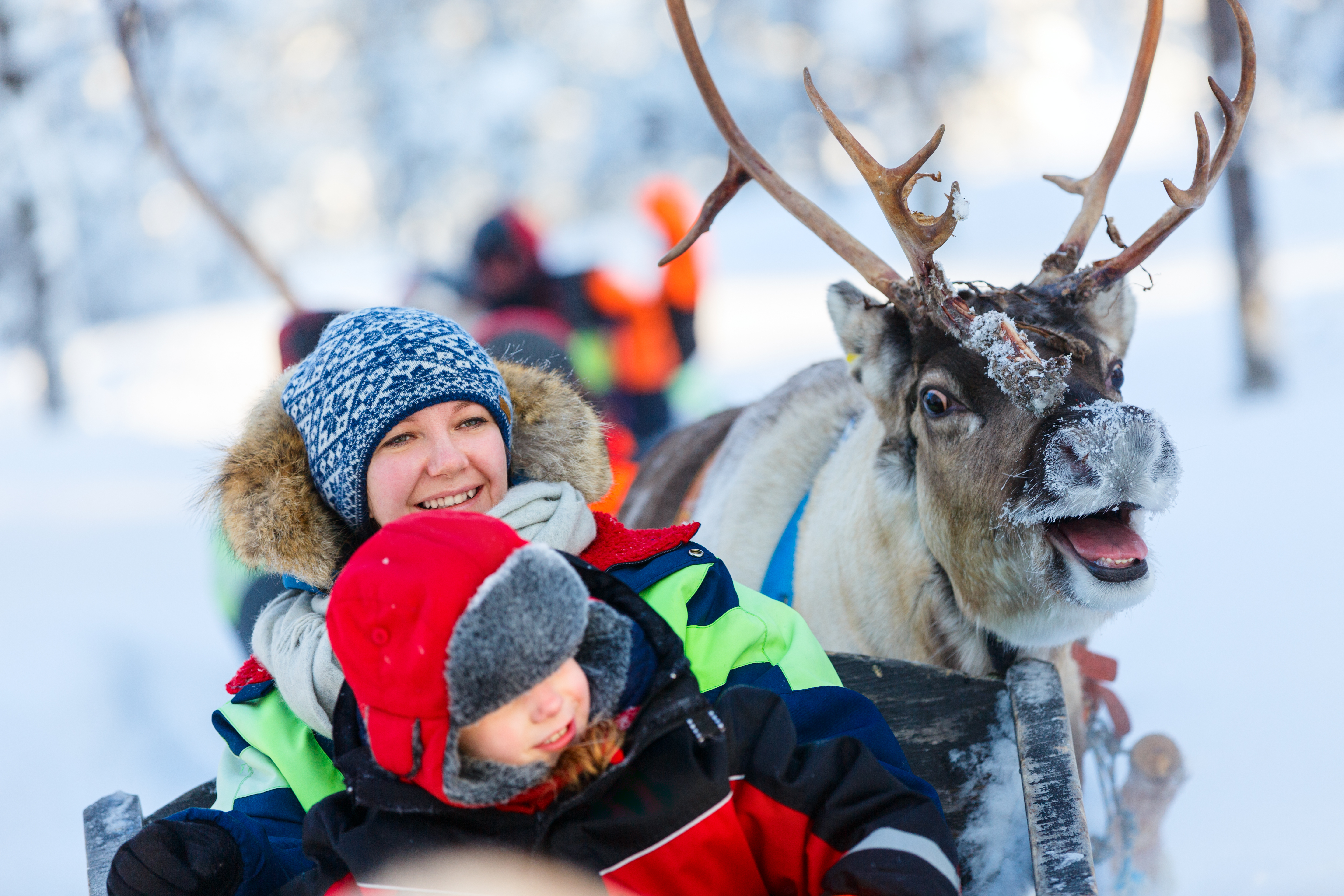
The layering principle
This is the single most important thing to get right.
- Base layers should always be wool or synthetic, not cotton
- Cotton absorbs moisture, becomes damp with perspiration and will make you cold, regardless of how many layers you add
- Merino wool in different thicknesses works particularly well
Think in layers that can be added or removed throughout the day.
Packing list for late autumn, winter and early spring touring to the Nordics
Outerwear (snow gear)
You will need at least one full set of proper snow clothing.
- Warm, windproof and waterproof jacket
- Windproof and waterproof trousers
- Clothing should be large enough to comfortably fit thick layers underneath
- Snow goggles for activities such as snowmobiling (newer versions offer better anti-fog performance)
Many hotels and activity providers offer outer clothing, but you should still bring one full set with you, especially for arrival and transfers. If travelling with children, check size availability in advance.

Mid layers
These provide insulation and flexibility.
- One to two warm woollen jumpers, or a jumper plus a fleece
- Woollen or fleece trousers
- Extra non-cotton layers that can be added or removed as needed


Base layers (next to skin)
Bring enough to rotate and dry.
- Two pairs of long woollen underwear (merino wool recommended)
- Different thicknesses depending on personal comfort
- Make sure children try these on before travelling, as some materials can feel itchy
Accommodation is usually very warm and often has drying cupboards, making it easy to wash and dry thermals overnight.

Accessories for warmth
Small items make a big difference in cold conditions.
- Warm windproof hat
- Spare woollen hat
- Woollen neck warmer or balaclava
- Woollen scarf
- Warm gloves or mittens (mittens are often warmer than gloves)
- Windproof outer gloves or mittens to wear over inner gloves
- Extra pair of mittens for children
High-quality gloves can be easier to purchase once you arrive in Scandinavia.

Footwear
Keeping feet warm and stable is essential.
- Warm, sturdy winter boots with good grip
- Two to three pairs of warm woollen socks in varying thicknesses (note: it's not customary to wear shoes inside)
- Something to consider: Nordic Grip anti-slip soles or crampons for icy paths (easily purchased locally)


Practical everyday items
Often overlooked, but very useful.
- Backpack for day trips (around 30 litres)
- Thermo water bottle or insulated cover
- Sunglasses and sunscreen (the sun reflects strongly off snow)
- Lipbalm
- Swimmers and flip flops for saunas and hot tubs
- Clothes for indoors such as jeans, trousers, shirts and T-shirts
Electronics and documents
Cold temperatures affect batteries, so bring spares.
- Travel documents and insurance details
- Photo ID (required for snowmobile driving)
- Camera, phone, chargers and adapters
- Extra camera batteries
- Memory cards
- Notebook and pencil
Modern smartphones with long-exposure capability are excellent for Northern Lights photography.
Health, comfort and extras
Especially important for families.
- Personal medication and preferred cold or flu tablets (some are prescription-only locally)
- Hand warmers
- Small clip-on light for children when outside in the dark
- Lint brush if you would like to remove reindeer fur from clothing
- Optional snacks such as tea bags, cereal bars or coffee for self-catering stays
Travelling with children in winter
A few extra considerations help keep kids happy and safe.
- Ensure children are comfortable wearing their woollen base layers
- Choose fine, soft wool where possible
- Encourage regular movement of fingers and toes in cold weather
- Watch for signs of very cold or numb hands and feet
- Extra socks and mittens are always worthwhile
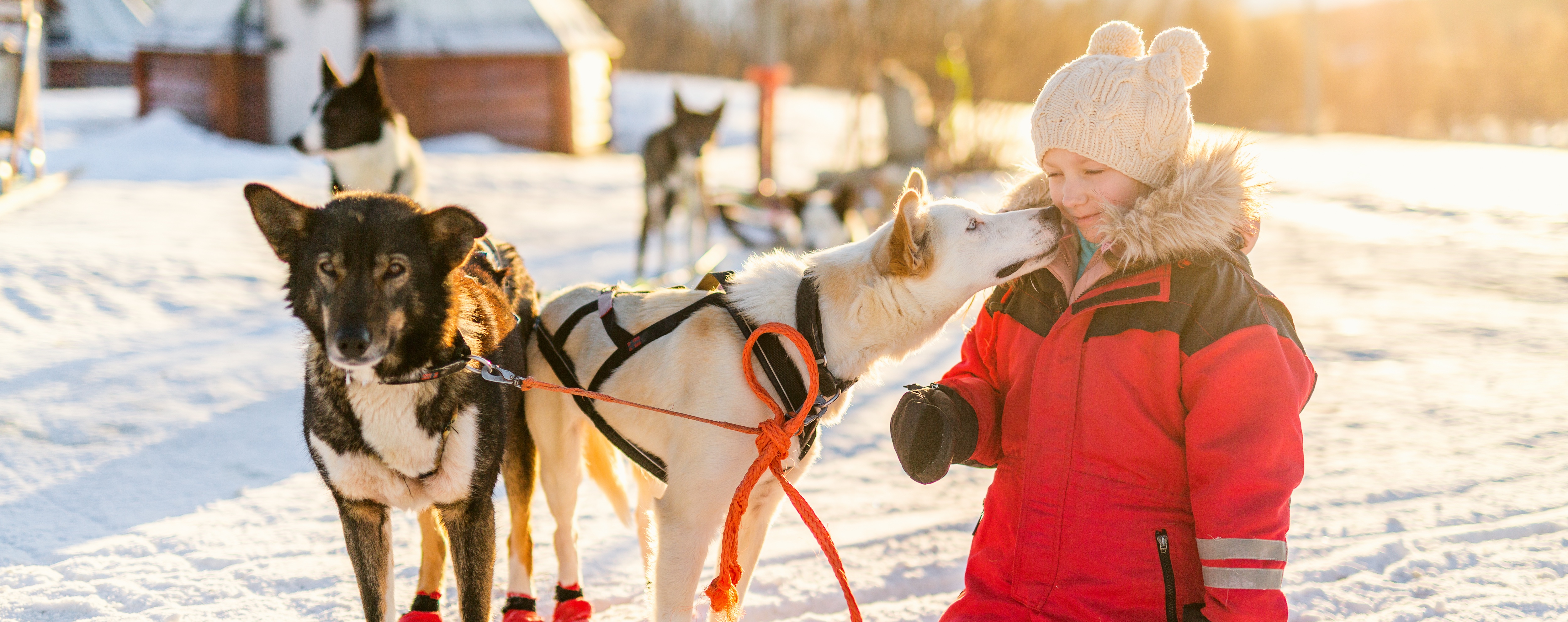
Safeguarding the Arctic’s Unique Ecosystems
The Arctic Environment is home to many unique and vulnerable species and habitats. Help us protect the Arctic from the impact of alien species by, where possible, brushing, vacuuming and cleaning clothes and any equipment prior to departure, paying particular attention to outerwear and footwear. This is in accordance with the request of the Norwegian Institute for Nature Research.
Learn more at www.stoparcticaliens.com.
